


Shenzhen MeetingTechnology Co., Ltd. Mainly selling LED solar lamps, etc., which are widely used in outdoor lighting field, since 2009. 2000 square meters plant, 20 sets more advanced machines and comply with the ISO9001:2015 management keep us produce 50,000 pcs qualified lights each month. Our company committed to researching, development and selling of intelligent products, commercial lighting, industrial lighting, residential lighting,outdoor lighting,solar lighting, decoration lighting, as well as the promotion of green lighting.
Why choose us?
Product application
Intelligent products, commercial lighting, industrial lighting, residential lighting,outdoor lighting,solar lighting, decoration lighting.
Production equipment
We are well-known in the led light industry with our advanced technology, scientific management, excellent quality and the first-class services.
One-stop solution
Our own independent intellectual property rights, R&D engineers with more than 10 years' experience, the samples work out in 3 days with custom design.
Our service
We always adhere to the purpose of creating value for customers, with "integrity, innovation, cooperation, win-win" as the business philosophy. Make every effort to provide customers with quality products and intimate service, and continue to provide consumers with perfect products.

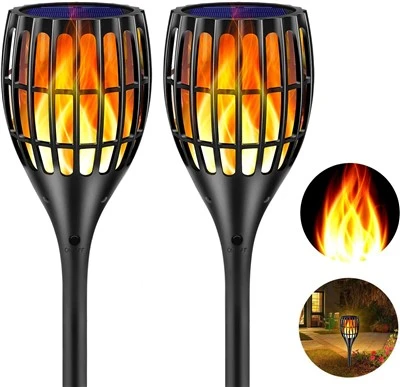


What is Solar Garden Light
Solar garden lights are outdoor lighting that uses solar energy to illuminate gardens, pathways, and outdoor areas. Built-in solar panels capture sunlight during the day and convert it into electricity, which is stored in rechargeable batteries in these environmentally friendly solar lights and, when the sun sets, lights are automatically turned on, causing the surroundings to be gently illuminated due to energy-effective LED bulbs. Garden solar lights are a simple sustainable lighting solution to improve the aesthetics and safety of garden and outdoor spaces due to easy installation, low operating costs, and autonomous operation.
Clean energy
Solar energy is considered clean energy. While it may have carbon dioxide (CO2) emissions related to its manufacturing and transportation processes, solar lights in gardens have no ongoing CO2 emissions because they don’t tie into the power grid. They create, store, and consume their own power via their solar panels and batteries, making them an eco-friendly lighting option for outdoor spaces.
Lower energy bill
Because solar garden lighting creates its own energy and doesn’t tie into the power grid, it has no impact on your household energy consumption. This means these lights will increase your electricity bill in a way that traditional lighting will.
Better security
Strategically placed solar-powered garden lights can also provide security around your home. For example, you can place them along the walkway to your front door — their warm white light will illuminate the pathway so you can see where you’re going. You can also use landscape spotlights with motion sensors that will turn on as they detect motion, deterring criminals.
More curb appeal
The soft lighting from solar landscape lighting can create a wonderful ambiance around your home at night. This accent lighting can make your home stand out in the neighborhood, giving you a sense of pride. You can also get colored solar path lights to match Christmas, Halloween, or other holiday lights and decorations.
Easy installation
Outdoor solar lights are typically a very easy DIY install and require little technical know-how to get them running. If you can swing a hammer to drive their mounting stake into the ground, you can easily install these lights.
Things to Note When Adding a Solar Garden Light
Tilt angle
Solar garden lights carry solar panels on top of them. Even though the weather and the geographic location affect the output of the solar panels, a few steps can better the lights’ performance. The panels can be charged to 100 percent by placing it such a place where it can take advantage of eight hours of uninterrupted sunlight. Special attention must be paid to roofs, walls or trees which can shade solar panels and thus lower output. A few garden solar lights can be tilted at an angle to make the most use of sun. The panels should face south.
Prior charging
Do not make the mistake of installing the solar panel lights directly after buying them. Charge the lights by placing them fully exposed to sunlight for approximately five cycles to 10 hours. The objective is to charge the battery to its full capacity. It is only after this period that the lights can last for about eight hours minimum.
Steer clear of artificial light sources
A light sensor automatically turns on and turns off the lights in a solar garden. The sensor works by detecting the ambient light levels. The switch is turned on at night after light levels dip below the sensor threshold. It will automatically be turned off at dawn. However, you must choose the site of the sensor with due care to make it work in a proper manner. When choosing the site, take care not to place it near artificial light sources like street or porch lighting.
Keep them clean
Debris must not be allowed to accumulate on the solar panel. Dirt encrusted solar panels will not fully charge the battery. The life of the battery will thus be shortened. Lights may also malfunction. The panel must be cleaned on a regular basis for the maintenance of high performance. Warm soapy water should be sprinkled and then rubbed off with a clean cloth. Snow also must be cleaned off the panel in winter. The battery must be replaced at every two years’ intervals to maintain maximum capacity. If your area has extreme weather conditions, it would be prudent to replace the battery once a year. The equipment can be exposed to the elements all around the year.
Enhancing garden aesthetics
Imagine strolling through a meticulously landscaped garden bathed in the gentle glow of solar garden lights. These lights not only highlight key features but also create a magical ambiance after dusk. Whether highlighting pathways, accentuating plantings, or outlining water features, solar garden lights blend functionality with aesthetics seamlessly.
Security and safety
Beyond aesthetics, solar garden lights serve a practical purpose in enhancing security around residential and commercial properties. Strategically placed lights deter intruders by illuminating dark corners and pathways, making your outdoor spaces safer for residents, visitors, and employees alike.
Festive decorations
During festive seasons or special events, solar garden lights add a touch of whimsy and festivity to any outdoor gathering. From string lights adorning trees and fences to decorative lanterns lining pathways, these lights create a celebratory atmosphere without the hassle of wiring or energy costs.
Outdoor dining ambiance
Transform your outdoor dining experience with soft, ambient lighting provided by solar garden lights. Whether hosting a casual backyard barbecue or an intimate dinner party, these lights set the mood, allowing you to enjoy alfresco dining long after sunset.
Functional boundary markers
In larger properties or public parks, solar garden lights serve as functional boundary markers. They delineate paths, driveways, and property edges without the need for expensive trenching or extensive installation, ensuring safety and guidance without disrupting the natural landscape.

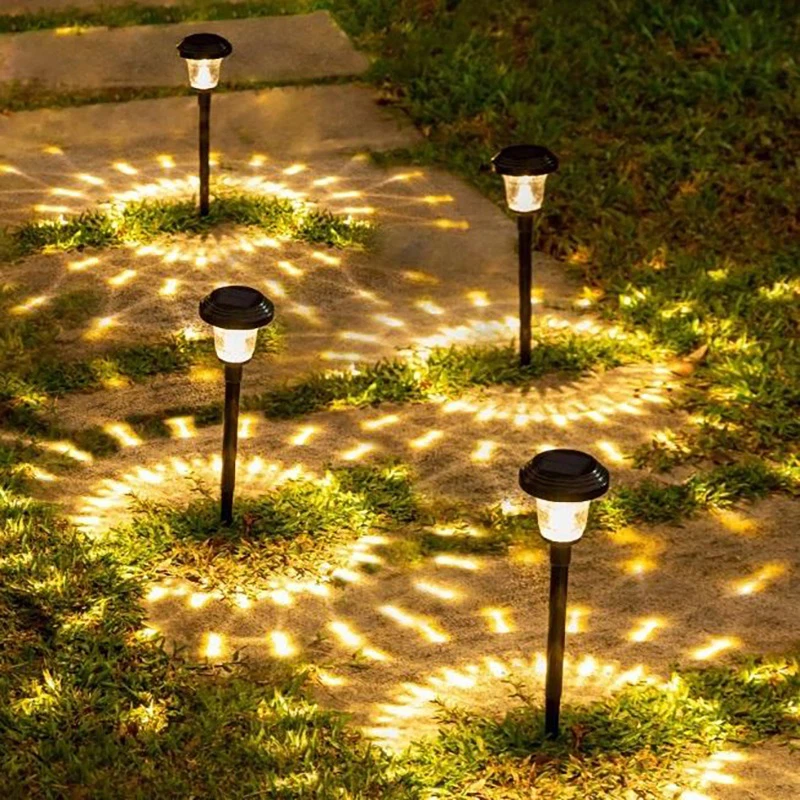
Eco-friendly pathway lighting
For eco-conscious homeowners and businesses, solar garden lights offer a sustainable alternative to traditional pathway lighting. Powered by renewable solar energy, these lights reduce carbon footprints and energy bills while providing reliable illumination along walkways, trails, and bike paths.
Artistic landscape features
Landscape architects and designers utilize solar garden lights to highlight artistic elements within outdoor spaces. From sculptures and statues to architectural features and focal points, these lights accentuate the beauty of outdoor installations, creating captivating visual experiences.
Educational and recreational facilities
In educational institutions and recreational facilities, solar garden lights play a dual role. They enhance safety around playgrounds and sports fields while also serving as educational tools, demonstrating renewable energy principles in action to students and visitors alike.
Off-grid and remote area lighting
In off-grid locations or remote areas without access to conventional electricity, solar garden lights provide a practical lighting solution. Whether in rural communities, national parks, or off-the-grid cabins, these lights offer reliable illumination without reliance on the electrical grid.
Promotional and branding opportunities
For businesses and organizations, solar garden lights present unique branding opportunities. Customized lights with logos or messages can be strategically placed in outdoor spaces, effectively promoting brand visibility while demonstrating a commitment to sustainability and innovation.
1.All solar powered lights will have a small built in solar PV cell. This cell absorbs sunlight and turns it into Direct Current (DC) electricity.
2.This electricity is then turned into chemical energy and stored in a rechargeable battery which has been discreetly built into the light.
3.A darkness sensor called a photoresistor is the element that decides when the solar light will come on. Throughout the day the photoresistor stops the light from running but when it begins to detect little or no light it will allow it to switch on.
4.Once the photoresistor allows the light to turn on, the chemical energy stored in the battery is turned back into electrical output which powers the light.
How to Install Solar Garden Light
Choose the location
Select an area in your garden or yard where you want to install the solar lights. Make sure it receives plenty of sunlight during the day for optimal charging.
Prepare the lights
Before installation, remove any protective covers or packaging from the solar lights. Some lights may require you to assemble different parts, so follow the manufacturer's instructions if necessary.
Check the batteries
Ensure the batteries are fully charged before installing the lights. Most solar lights have a switch or button that activates the battery.
Position the lights
Place the lights in the desired location, keeping them spaced apart for even distribution of light. Make sure they are within range of each other if they are part of a set.
Secure the lights
Depending on the design, you may need to stake the lights into the ground or use screws to attach them to a wall or post. Many solar lights come with stakes or mounting hardware for this purpose.
Adjust the angle
If the lights have adjustable solar panels or bulbs, position them at an angle that maximizes exposure to sunlight. This helps ensure they charge efficiently and provide the desired illumination at night.
Test the lights
Allow the solar lights to charge for a full day to ensure they are functioning properly. Once charged, cover the solar panel to simulate darkness and check if the lights switch on automatically.
Maintenance and care
Regularly clean the solar panels from dust, dirt, and debris to maintain their efficiency. If the lights dim over time, it may be necessary to replace the rechargeable batteries.
Turn off the lights
Before the cleaning commences, if the lights have an off switch, then turn them off to ensure safety and so far, as possible, to prevent any electrical problems occurring with the lights whilst they are subjected to the cleaning process. Make sure there is enough light in the area you are working so you can clearly see the surface of the solar cell.
Remove the loose dirt
Use a soft brush or cloth to remove any loose dirt and debris from the solar panels as possible, this may be best achieved with a soft damp cloth such as a micro fibre cloth. This will help prevent any scratches to the panels during the next step of cleaning.
If your outdoor solar lights have not been cleaned for a long time then this first step in the cleaning process could take a few minutes but fear not, this is an easy task overall and will save on costly repairs later on.
Scrub brush with soapy water
Mix a little dish soap with a little warm water in a bowl creating a soapy solution. Use a soft bristle brush or sponge and dip into the soapy solution. A soft bristled tooth brush may help in any areas where there are crevices.
Using a circular motion, gently scrub the panels with the mixture to help remove dirt and grease without causing damage to the panels.
A spray bottle to apply the solution to the panels is a good idea and a great way to save time when cleaning several solar outdoor lights.
Rinse with clean water
Once the panels have been scrubbed, they should be rinsed with clean water to remove soap and any remaining debris. Make sure that no soap or water enters the battery compartment and take care to prevent water ingress into other parts of the lights. Water or soapy solution ingress into the light fittings could lead to damage and loss of performance.
Special attention for stubborn debris
If there is stubborn debris that has not come off the panels so far, a mixture of one cup of vinegar and a teaspoon of dish detergent may help. This type of mixture acts as a gentle abrasive cleaner and may be more effective at removing any tough stains without causing any damage to the cells on the light.
Avoid using harsh chemicals or abrasive cleaners and instead only opt for mild detergents when cleaning your lights, especially the solar cells surface.
It may be prudent to check that your mixture is ok and unlikely to cause damage to the solar cells by trying the mixture on a small corner of ONE of the panels first.
Wipe with a soft cloth or sponge
Wipe the dirty solar panels off with a soft dry cloth or sponge to ensure that they are thoroughly dried. Don’t use any abrasive materials or chemicals as damage can occur to the top surface of the solar cells and affect their efficiency and long-term performance.
Clear coat polish for scratches
If there appear to be any surface scratches on the solar cells after cleaning, a clear nail polish can be used as a protective layer to prevent scratches from occurring. This clear protective layer will help maintain the solar cells defences and ensure top performance from your solar outdoor lights.
Check for white deposits
Hard water areas can result hard water deposits seen as minerals on the top of the solar cell of your panel. This can be removed by carefully using a water and vinegar solution and cleaning using gentle circular motions. This will help ensure that the cells stay crystal clear and as efficient as possible.
Inspect the battery compartment
When cleaning the solar light panels, it is important to also inspect the battery compartment and other metal components for any signs of damage, corrosion, or signs of distress. If there is corrosion then this should be cleaned gently using a damp cloth if possible.
Occasionally corrosion may need further assistance to be cleaned off, wire wool or a fine-grit sandpaper can remove corrosion and return the conductivity of the metal contacts.
It may be necessary to replace the batteries if corrosion is present. Ensure that the battery compartment lid or top cover makes a good seal with the compartment to prevent water ingress which will only accelerate any corrosion problems.
Visual inspection
Whilst carrying out the cleaning process, it is the ideal time to check the entire fixture to ensure that all the components including any metal parts, plastic covers and other parts are free from dirt and damage. Damage that is caught early can prevent water ingress, rust or other issues with your lights and allow them a longer life.
Sensor check
Some solar garden lights have a light sensor. This should be checked to make sure that it is clean and clear from debris. This sensor checks for the ambient light conditions so ensuring that it is clean should mean that the lights turn on and off when they are intended to.
Ongoing maintenance
It’s a good idea to carry out this kind of cleaning on a regular basis for your solar garden lights. The frequency of this cleaning will depend on your specific location and the weather conditions present. Carrying out this type of cleaning every month or so is ideal to prevent the build-up of mineral deposits, debris, grime, and dirt.
Protection from inclement weather
If high winds or icy conditions are expected it may be a good idea to bring the lights indoors or to a safe place outdoors where they can be protected from the elements a little better. Whilst outdoor lights are designed to be outdoors, their lifespan will be reduced if they regularly suffer damage from icy conditions, high winds, and heavy rain.
Last step: Getting the most from the battery
To ensure that the battery lasts as long as possible in your solar garden lights, ensure that they are receiving the optimum amount of direct sunlight. They should be positioned in an area where the sunlight is likely to reach the panels for the longest period of the day ensuring that they are fully charged before discharging their battery again at night.
Our Factory
Shenzhen MeetingTechnology Co., Ltd. Mainly selling LED solar lamps, etc., which are widely used in outdoor lighting field, since 2009. 2000 square meters plant, 20 sets more advanced machines and comply with the ISO9001:2015 management keep us produce 50,000 pcs qualified lights each month. Our company committed to researching, development and selling of intelligent products, commercial lighting, industrial lighting, residential lighting,outdoor lighting,solar lighting, decoration lighting, as well as the promotion of green lighting.

FAQ
We're professional solar garden light manufacturers and suppliers in China, specialized in providing high quality customized service. We warmly welcome you to buy cheap solar garden light from our factory. For price consultation, contact us.
solar garden lights for sprouts farmers market, solar garden lights for entertainment gardens, solar garden lights for fitness gardens