

Are outdoor LED linear wall lights shock - proof?
Leave a message

When it comes to illuminating outdoor spaces, outdoor LED linear wall lights have become a popular choice for many homeowners and businesses alike. These lights offer a sleek and modern look, while providing efficient and long-lasting illumination. However, one question that often arises is whether these lights are shock-proof. As a supplier of outdoor LED linear wall lights, I am here to shed some light on this topic.
Understanding the Basics of Electrical Shock
Before we delve into the shock-proof nature of outdoor LED linear wall lights, it's important to understand what electrical shock is. Electrical shock occurs when a person comes into contact with an electrical current. This can happen in various ways, such as touching a live wire, being in contact with a conductive material that is carrying an electrical charge, or being in an area where there is a fault in the electrical system.
The severity of an electrical shock can vary depending on several factors, including the amount of current, the duration of the contact, and the path the current takes through the body. In some cases, electrical shock can cause minor injuries such as burns or muscle contractions, while in more severe cases, it can lead to cardiac arrest or even death.
Safety Features of Outdoor LED Linear Wall Lights
Outdoor LED linear wall lights are designed with several safety features to prevent electrical shock. One of the most important safety features is the use of insulation. The electrical components of these lights are typically enclosed in a non-conductive housing, which helps to prevent the electrical current from coming into contact with the user. This insulation is usually made of materials such as plastic or rubber, which are excellent insulators.
Another safety feature is the use of grounding. Grounding is a process that provides a path for the electrical current to flow safely into the ground in the event of a fault. Outdoor LED linear wall lights are often equipped with a grounding wire, which is connected to the electrical system and to the ground. This helps to prevent the buildup of electrical charge and reduces the risk of electrical shock.
In addition to insulation and grounding, many outdoor LED linear wall lights also have overcurrent protection. Overcurrent protection devices, such as fuses or circuit breakers, are designed to automatically shut off the electrical current if it exceeds a certain level. This helps to prevent damage to the light and reduces the risk of electrical shock.
Testing and Certification
To ensure the safety of outdoor LED linear wall lights, they are typically tested and certified by independent testing laboratories. These tests are designed to evaluate the electrical safety, durability, and performance of the lights. Some of the common certifications for outdoor LED linear wall lights include UL (Underwriters Laboratories), CE (Conformité Européene), and IP (Ingress Protection) ratings.
UL certification is a widely recognized safety certification in the United States. Lights that are UL certified have been tested to meet specific safety standards and have been found to be safe for use. CE certification is a mandatory certification for products sold in the European Union. It indicates that the product meets the health, safety, and environmental protection requirements of the EU.
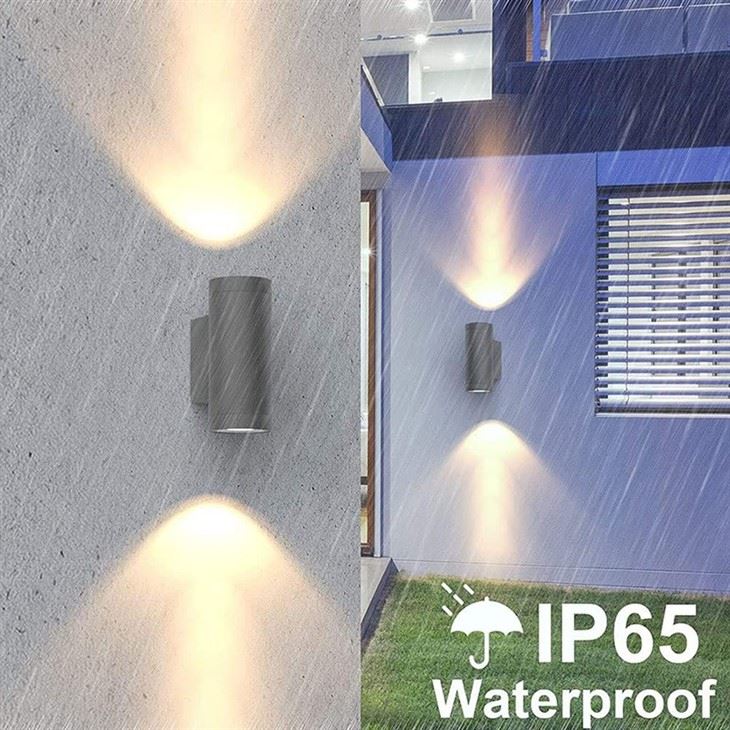
IP ratings are used to indicate the degree of protection provided by the light against the ingress of dust and water. The first digit in the IP rating indicates the level of protection against solid objects, while the second digit indicates the level of protection against water. For example, an IP65 rating means that the light is completely protected against dust and is protected against low-pressure water jets from any direction.
Factors Affecting Shock-Proof Performance
While outdoor LED linear wall lights are designed to be shock-proof, there are several factors that can affect their shock-proof performance. One of the most important factors is the quality of the installation. If the lights are not installed correctly, there is a higher risk of electrical shock. It is important to follow the manufacturer's installation instructions carefully and to use a qualified electrician if necessary.
Another factor that can affect the shock-proof performance is the environment in which the lights are used. Outdoor environments can be harsh, and the lights may be exposed to moisture, dust, and other contaminants. Over time, these contaminants can damage the insulation and other safety features of the lights, increasing the risk of electrical shock. It is important to choose lights that are designed for outdoor use and to maintain them regularly to ensure their continued safety.
Conclusion
In conclusion, outdoor LED linear wall lights are generally shock-proof when they are designed, installed, and maintained correctly. These lights are equipped with several safety features, such as insulation, grounding, and overcurrent protection, to prevent electrical shock. They are also tested and certified by independent testing laboratories to ensure their safety and performance.
However, it is important to remember that no electrical device is completely risk-free. To minimize the risk of electrical shock, it is important to choose high-quality lights, follow the manufacturer's installation and maintenance instructions, and use a qualified electrician if necessary.
If you are interested in purchasing outdoor LED linear wall lights, we offer a wide range of products to meet your needs. Our lights are designed with the latest technology and safety features to provide you with reliable and efficient illumination. You can also explore our other products such as Solar Powered Wall Mounted Lights, LED Night Light Plug in, and Outdoor Wall Lights Waterproof.
If you have any questions or would like to discuss your lighting needs, please feel free to contact us. We look forward to helping you create the perfect outdoor lighting solution.
References
- National Fire Protection Association. (2023). National Electrical Code (NEC).
- Underwriters Laboratories. (2023). UL Standards for Safety.
- International Electrotechnical Commission. (2023). IEC Standards for Electrical Equipment.


