Do solar garden lights work well in humid environments?
Leave a message

As a supplier of solar garden lights, I am often asked about their performance in various environmental conditions. One question that repeatedly comes up is whether solar garden lights work well in humid environments. In this blog, I'll delve into this topic, sharing the technical insights and real - world experiences that can help you make an informed decision about using solar garden lights in damp settings.
How Solar Garden Lights Work in General
Before discussing the impact of humidity, let's briefly review how solar garden lights operate. Solar garden lights are equipped with photovoltaic (PV) panels that convert sunlight into electricity during the day. This electricity is then stored in rechargeable batteries, usually nickel - metal hydride (NiMH) or lithium - ion, which power the LED lights at night. The system also includes a charge controller to manage the charging and discharging process and prevent over - charging or over - discharging of the batteries.
The Effects of Humidity on Solar Garden Lights
Humidity can impact solar garden lights in several ways:
- Battery Performance: Rechargeable batteries are sensitive to humidity. High humidity can accelerate the self - discharge rate of batteries, which means they lose their stored charge even when not in use. For example, NiMH batteries can be more prone to self - discharge in humid conditions compared to lithium - ion batteries. If the battery self - discharges too rapidly, it won't have enough power to light the LEDs for a sufficient duration at night.
- Electrical Connections: Moisture in a humid environment can cause corrosion of electrical connections. When the metal parts of the electrical connectors are exposed to water vapor, they can oxidize over time. This oxidation increases the electrical resistance at the connections, which can lead to power loss and eventually cause the lights to flicker or stop working altogether.
- PV Panel Efficiency: Drops of water due to high humidity or condensation can accumulate on the surface of PV panels. These water droplets can act as tiny lenses that scatter sunlight, reducing the amount of light that reaches the PV cells. As a result, the efficiency of the PV panels in converting sunlight into electricity decreases, leading to less charge being stored in the batteries.
Our Solutions to Humidity Challenges
As a solar garden light supplier, we have implemented several strategies to ensure our products work well in humid environments:
- Waterproof Design: We offer a wide range of products with high - level waterproof ratings. For instance, our IP68 Waterproof 56 LED Solar Lights Outdoor are designed to provide a high degree of protection against water ingress. The IP68 rating means that the lights are completely dust - tight and can be submerged in water under specified conditions without damage. This design helps to prevent moisture from reaching the internal electrical components, such as the batteries and charge controllers.
- Corrosion - Resistant Materials: We use corrosion - resistant materials for electrical connections and other metal parts. For example, we coat the metal connectors with anti - corrosion substances to prevent oxidation. This ensures that the electrical connections remain stable and reliable even in humid conditions, minimizing power loss and extending the lifespan of the lights.
- Improved Battery Management: Our solar garden lights are equipped with advanced battery management systems. These systems are designed to monitor the battery's state of charge and temperature, adjusting the charging and discharging processes accordingly. In humid conditions, the system can compensate for the increased self - discharge rate of the batteries, ensuring that they have enough power to light up the LEDs at night.
Real - World Performance
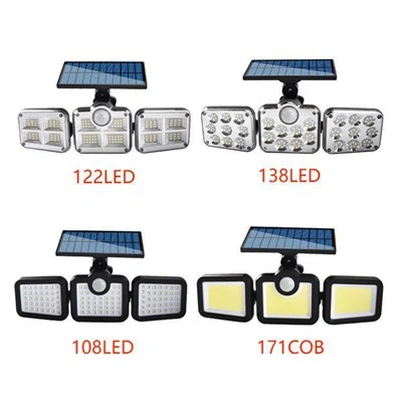
We have received feedback from customers in humid regions, and the results are encouraging. Many customers have reported that our Solar Powered Spot Lights Outdoor and Solar Garden Railing Light have been working well for extended periods in areas with high humidity, such as coastal regions. These lights are able to withstand the challenges of moisture, providing reliable illumination for gardens and outdoor spaces.


Choosing the Right Solar Garden Lights for Humid Environments
When selecting solar garden lights for a humid environment, here are some factors to consider:
- Waterproof Rating: Look for lights with a high waterproof rating such as IP65 or above. A higher waterproof rating indicates better protection against moisture.
- Battery Type: Lithium - ion batteries generally perform better in humid conditions compared to NiMH batteries due to their lower self - discharge rate.
- Installation Location: Try to install the lights in areas where they are less likely to be exposed to direct water splashing or standing water. For example, avoid installing them in low - lying areas that may collect rainwater.
Conclusion
In conclusion, while humidity can pose challenges to the performance of solar garden lights, with the right design and technology, they can work well in humid environments. As a supplier, we are committed to providing high - quality solar garden lights that are durable and reliable, even in challenging conditions. If you are considering purchasing solar garden lights for a humid area, we encourage you to explore our product range. We are more than happy to discuss your specific requirements and help you choose the most suitable lights for your outdoor space. Whether you need Solar Powered Spot Lights Outdoor to highlight specific features in your garden or Solar Garden Railing Light to illuminate your pathways, we have the solutions for you. Contact us to start a procurement discussion and let us light up your outdoor world!
References
- "Solar Energy Systems: Design and Analysis" by Soteris A. Kalogirou
- "Battery Technology Handbook" by Thomas H. Eager