

How long do garden solar lawn lights last?
Leave a message

When it comes to enhancing the beauty and functionality of your garden, solar lawn lights are an excellent choice. As a supplier of garden solar lawn lights, I often get asked the question: "How long do garden solar lawn lights last?" In this blog post, I'll delve into the factors that influence the lifespan of these lights and provide you with a comprehensive understanding of what to expect.
Understanding the Components of Garden Solar Lawn Lights
Before we discuss their lifespan, it's essential to understand the key components of garden solar lawn lights. These lights typically consist of a solar panel, a rechargeable battery, an LED light source, and a control circuit. Each component plays a crucial role in the overall performance and longevity of the light.
- Solar Panel: The solar panel is responsible for converting sunlight into electricity. High - quality solar panels are made of monocrystalline or polycrystalline silicon, which are efficient at capturing sunlight. The efficiency and durability of the solar panel can significantly affect how well the light charges over time.
- Rechargeable Battery: Most garden solar lawn lights use rechargeable batteries, such as nickel - metal hydride (NiMH) or lithium - ion batteries. These batteries store the electricity generated by the solar panel during the day and power the light at night. The capacity and lifespan of the battery are important factors in determining how long the light can stay on and how many charge - discharge cycles it can withstand.
- LED Light Source: LEDs (Light - Emitting Diodes) are the most common light source in solar lawn lights due to their energy efficiency, long lifespan, and low heat generation. High - quality LEDs can last for tens of thousands of hours, which is a significant advantage over traditional incandescent or fluorescent bulbs.
- Control Circuit: The control circuit manages the charging of the battery and the operation of the LED light. It ensures that the battery is not over - charged or over - discharged, which can extend the battery's lifespan. It also controls when the light turns on and off, usually based on the level of ambient light.
Factors Affecting the Lifespan of Garden Solar Lawn Lights
Several factors can influence how long garden solar lawn lights last. Let's take a closer look at each of these factors:
1. Quality of Components
The quality of the solar panel, battery, LED, and control circuit is perhaps the most significant factor in determining the lifespan of the light. Higher - quality components are generally more durable, efficient, and resistant to wear and tear. For example, a high - quality solar panel will have a higher conversion efficiency, which means it can generate more electricity from the same amount of sunlight. A good - quality battery will have a longer cycle life, allowing it to be charged and discharged more times without losing its capacity.
When choosing garden solar lawn lights, it's important to look for products that use high - quality components. At our company, we source the best materials for our Lawn Solar Powered Lights, ensuring that they are built to last.
2. Environmental Conditions
The environment in which the solar lawn lights are installed can also have a significant impact on their lifespan. Exposure to extreme temperatures, humidity, and sunlight can all affect the performance and durability of the components.
- Temperature: Both high and low temperatures can reduce the efficiency of the solar panel and the battery. In hot weather, the battery may overheat, which can cause it to lose its capacity more quickly. In cold weather, the battery's performance may be reduced, and the solar panel may not generate as much electricity.
- Humidity: High humidity can cause corrosion and damage to the electrical components of the light. Moisture can seep into the battery, solar panel, or control circuit, leading to short - circuits or other malfunctions.
- Sunlight: While sunlight is essential for charging the solar lawn lights, excessive exposure to direct sunlight can also cause the components to degrade over time. The UV rays in sunlight can damage the plastic casing of the light and the solar panel, reducing their efficiency and lifespan.
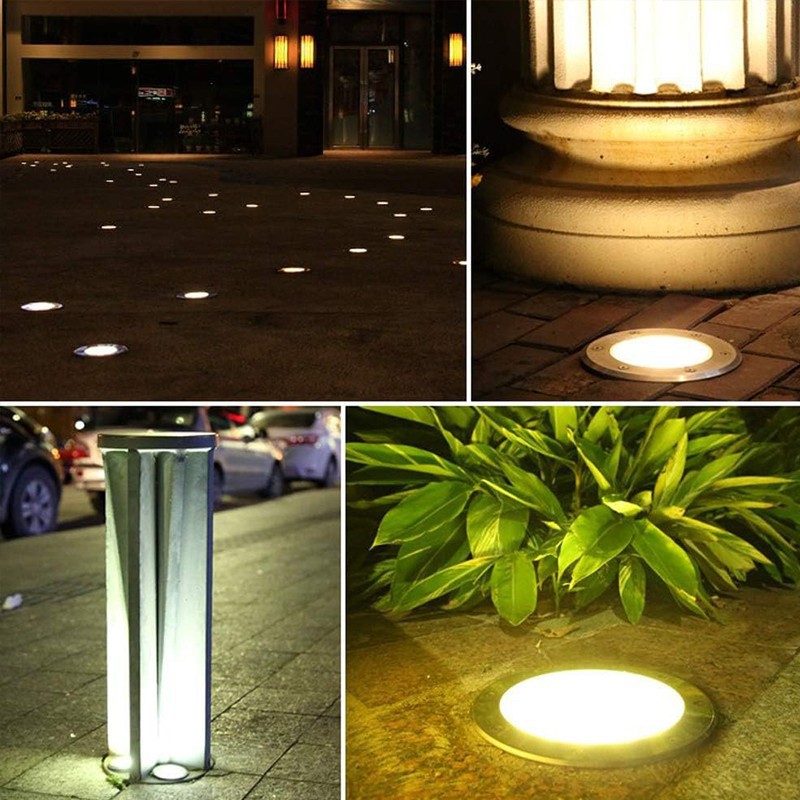
To mitigate the effects of environmental conditions, it's important to choose solar lawn lights that are designed to be weather - resistant. Our Outdoor Garden Solar Led Lawn Bollard Lights are built with high - quality, weather - resistant materials to ensure they can withstand various environmental conditions.

3. Usage Patterns
How often and for how long the solar lawn lights are used can also affect their lifespan. If the lights are left on for long periods every night, the battery will be discharged more frequently, which can reduce its cycle life. Additionally, if the lights are not exposed to enough sunlight during the day, the battery may not be fully charged, leading to reduced performance over time.
It's important to follow the manufacturer's instructions regarding the usage of the solar lawn lights. For example, some lights may have different settings for the duration of the light output, allowing you to adjust the usage according to your needs.
Typical Lifespan of Garden Solar Lawn Lights
On average, garden solar lawn lights can last anywhere from 2 to 5 years. However, this can vary depending on the factors mentioned above.
- Solar Panel: A high - quality solar panel can last for 10 to 25 years. Over time, the efficiency of the solar panel may gradually decline, but it should still be able to generate enough electricity to charge the battery for many years.
- Rechargeable Battery: The lifespan of a rechargeable battery is typically measured in charge - discharge cycles. A good - quality NiMH battery can last for 500 to 1000 charge - discharge cycles, while a lithium - ion battery can last for 1000 to 2000 cycles. If the battery is used once a day, it can last for 1.5 to 5 years.
- LED Light Source: LEDs have a very long lifespan, typically lasting for 25,000 to 50,000 hours. If the light is used for 8 hours a day, the LED can last for 8 to 17 years.
- Control Circuit: The control circuit is usually quite durable, but it can be affected by environmental conditions and electrical surges. In general, it should last for the same amount of time as the other components, provided it is well - protected.
Extending the Lifespan of Garden Solar Lawn Lights
There are several steps you can take to extend the lifespan of your garden solar lawn lights:
- Regular Cleaning: Keep the solar panel clean by wiping it with a soft, damp cloth regularly. This will ensure that it can capture as much sunlight as possible.
- Proper Installation: Install the lights in a location where they can receive direct sunlight for at least 6 hours a day. Avoid placing them in shaded areas or near sources of heat or moisture.
- Battery Replacement: If the battery starts to lose its capacity, consider replacing it. Most solar lawn lights use standard rechargeable batteries that are easy to find and replace.
- Storage: If you live in an area with harsh winters, consider storing the solar lawn lights indoors during the off - season. This will protect them from extreme cold and moisture.
Our Product Offerings
As a supplier of garden solar lawn lights, we offer a wide range of products to meet your needs. Our Lawn Solar Powered Lights are designed to be energy - efficient, durable, and easy to install. We also have Outdoor Garden Solar Led Lawn Bollard Lights that add a touch of elegance to your garden. And for something unique, our Solar Cat - claw Lamp is a fun and decorative option.
We are committed to providing high - quality products and excellent customer service. If you are interested in purchasing our garden solar lawn lights or have any questions about their lifespan or performance, please feel free to contact us for a purchase negotiation. We look forward to working with you to enhance the beauty of your garden.
References
- "Solar Energy Basics." U.S. Department of Energy.
- "LED Lighting Facts." U.S. Department of Energy.
- "Battery Technology and Applications." Battery University.


