

How to change the bulb type in a wall light?
Leave a message

Changing the bulb type in a wall light can significantly enhance the lighting experience in your space, offering improved energy efficiency, better illumination, and a more personalized aesthetic. As a wall light supplier, I'm here to guide you through the process. Whether you're looking to upgrade to energy - saving LEDs, add a touch of ambiance with colored bulbs, or adjust the brightness for different activities, this guide will walk you through the steps.
Step 1: Safety First
Before you start changing the bulb in your wall light, safety should be your top priority. First, turn off the power supply to the wall light at the circuit breaker. This will prevent any risk of electric shock while you're handling the bulb. Use a voltage tester to double - check that the power is indeed off. This simple tool can be found at most hardware stores and will give you peace of mind.
Next, let the bulb cool down if it has been recently used. Incandescent and halogen bulbs can get extremely hot, and touching a hot bulb can cause burns. LEDs, on the other hand, tend to stay cooler, but it's still a good practice to let them cool for a few minutes.
Step 2: Identify the Existing Bulb
Once you've ensured your safety, it's time to take a closer look at the existing bulb. Note down the bulb's shape, size, and base type. The base type is particularly important as it determines whether a new bulb will fit into the wall light fixture. Common base types include Edison screw (E26 or E27), GU10, and MR16.
You can usually find this information printed on the bulb itself. If the bulb is too old or the markings are faded, you can refer to the wall light's user manual. If you don't have the manual, a quick online search using the model number of your wall light can often yield the necessary information.
Step 3: Choose the Right Replacement Bulb
Now comes the exciting part - choosing the new bulb. There are several factors to consider when making this decision.
1. Energy Efficiency
LED bulbs are the most energy - efficient option on the market today. They consume significantly less electricity than incandescent and halogen bulbs, which can lead to substantial savings on your energy bills over time. For example, an LED bulb can use up to 80% less energy than an incandescent bulb while providing the same amount of light.
If you're looking for outdoor wall lights that are both energy - efficient and waterproof, you can explore our Outdoor Wall Lights Waterproof collection. These lights are designed to withstand the elements while providing reliable illumination.
2. Color Temperature
The color temperature of a bulb affects the mood and atmosphere of a room. Warmer color temperatures (around 2700K - 3000K) create a cozy, inviting atmosphere, similar to the light of a traditional incandescent bulb. This is ideal for living rooms, bedrooms, and dining areas.
Cooler color temperatures (around 4000K - 5000K) produce a bright, white light that is more suitable for task - oriented areas such as kitchens, offices, and bathrooms. Some bulbs also offer adjustable color temperatures, allowing you to customize the lighting according to your needs.
3. Brightness
Brightness is measured in lumens. The higher the lumen value, the brighter the bulb. Determine how much light you need in the space where the wall light is located. For example, a hallway may require less light than a living room. As a general rule of thumb, a 60 - watt incandescent bulb is equivalent to about 800 lumens.
4. Special Features
If you're interested in sustainable lighting solutions, you might want to consider Solar Powered Wall Mounted Lights. These lights charge during the day using solar energy and automatically turn on at night, providing an eco - friendly and cost - effective lighting option.
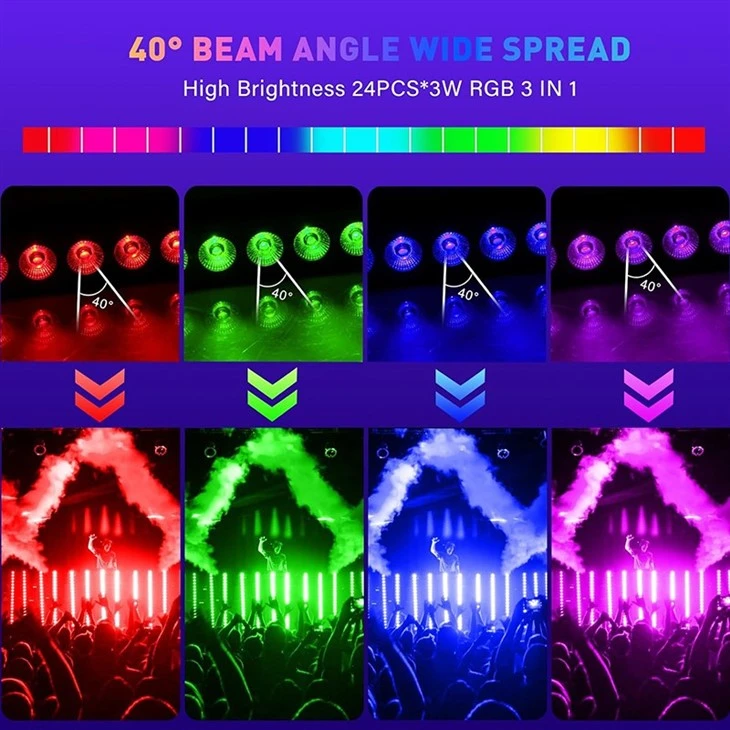
For a more dramatic lighting effect, you can look into Led Strip Wall Washer Light. These lights can be used to wash a wall with light, creating a soft and even glow.
Step 4: Remove the Old Bulb
Once you've selected the perfect replacement bulb, it's time to remove the old one. Gently hold the bulb and turn it counterclockwise if it has a screw - in base. If it's a push - and - twist or a pin - based bulb, follow the appropriate removal method as indicated in the wall light's manual.
Be careful not to apply too much force, as this could break the bulb. If the bulb is stuck, you can try using a pair of rubber gloves or a bulb removal tool to get a better grip.
Step 5: Install the New Bulb
After removing the old bulb, it's time to install the new one. Align the base of the new bulb with the socket in the wall light fixture. If it's a screw - in base, turn the bulb clockwise until it is firmly in place. For push - and - twist or pin - based bulbs, follow the installation instructions carefully.
Make sure the bulb is seated properly and there are no loose connections. A loose bulb can cause flickering or even pose a fire hazard.
Step 6: Test the New Bulb
Once the new bulb is installed, it's time to test it. Turn the power supply back on at the circuit breaker. If the bulb doesn't light up, double - check that it is installed correctly and that the power is on. If the problem persists, the bulb may be defective, and you should try replacing it with a new one.
Conclusion
Changing the bulb type in a wall light is a relatively simple process that can have a big impact on the look and functionality of your space. By following these steps and considering the various factors when choosing a replacement bulb, you can create the perfect lighting environment for your home or business.
If you're interested in exploring our wide range of wall lights and bulbs, or if you have any questions about the bulb replacement process, we'd love to hear from you. Please feel free to contact us for more information and to discuss your procurement needs. We're committed to providing high - quality products and excellent customer service.

References
- "Lighting Basics" - General Electric Lighting
- "LED Lighting Guide" - Energy Star
- "Choosing the Right Bulb" - Home Depot


