

How to make landscape lawn lights more energy - saving?
Leave a message

As a supplier of landscape lawn lights, I understand the increasing demand for energy - saving solutions in today's market. With the growing concern for environmental protection and the need to reduce energy costs, making landscape lawn lights more energy - saving is not only a trend but also a necessity. In this blog, I will share some effective ways to achieve this goal.
1. Choose Energy - Efficient Light Sources
One of the most fundamental steps in making landscape lawn lights more energy - saving is to select the right light sources. Traditional incandescent bulbs are highly inefficient, converting a large portion of energy into heat rather than light. On the other hand, LED (Light - Emitting Diode) technology has revolutionized the lighting industry with its high energy efficiency.
LED landscape lawn lights Led Landscape Lawn Light are an excellent choice. They consume up to 80% less energy than incandescent bulbs while providing the same amount of light. LEDs also have a much longer lifespan, which means fewer replacements and less waste. For example, a typical incandescent bulb may last for about 1,000 hours, while an LED can last for 25,000 hours or more. This not only saves energy but also reduces maintenance costs in the long run.
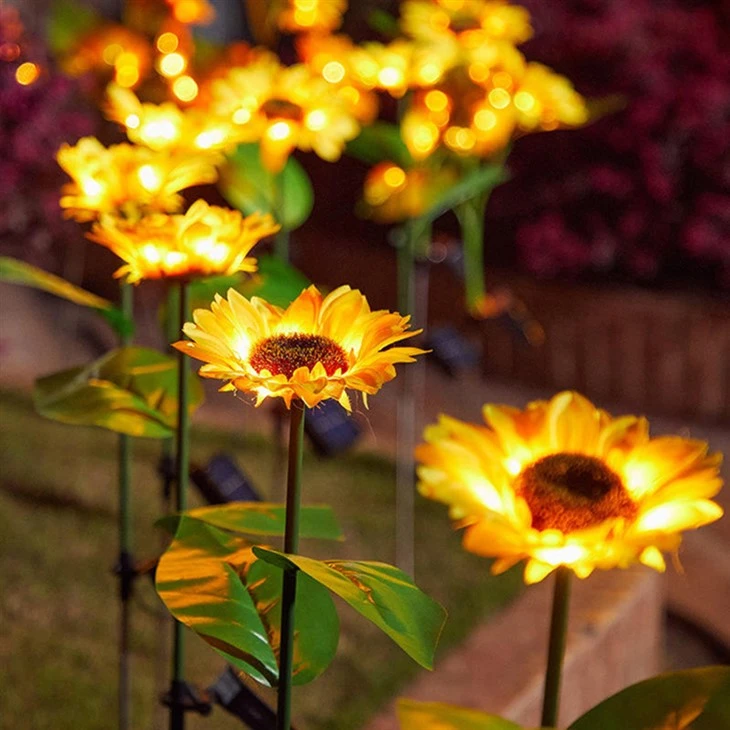
Another energy - efficient option is solar - powered lights. Garden Solar Lawn Light harness the power of the sun during the day and store it in rechargeable batteries. At night, they automatically turn on and use the stored energy to illuminate the landscape. Solar lights are completely off - grid, which means they do not rely on the electrical grid and thus do not consume any electricity from traditional sources. They are also easy to install, as there is no need for wiring. However, their performance can be affected by weather conditions and the amount of sunlight they receive.
2. Optimize Lighting Design
Proper lighting design plays a crucial role in energy conservation. By carefully planning the layout and placement of landscape lawn lights, you can ensure that the right amount of light is provided where it is needed, without wasting energy on unnecessary illumination.
First, consider the purpose of the lighting. Different areas of the landscape may require different levels of lighting. For example, pathways need sufficient light for safety, while decorative elements may only need a soft glow. By using a combination of general lighting and accent lighting, you can create a balanced and energy - efficient lighting scheme.
Second, use lighting controls. Timers and photocells are simple yet effective tools for controlling the operation of landscape lawn lights. Timers allow you to set specific on and off times for the lights, ensuring that they are only on when needed. Photocells, on the other hand, automatically turn the lights on at dusk and off at dawn, based on the ambient light level. This eliminates the need for manual operation and helps to save energy.
In addition, use directional lighting. Instead of using broad - beam lights that scatter light in all directions, use spotlights or floodlights with narrow beams to focus the light on specific areas. This reduces light pollution and ensures that more of the light is used effectively.
3. Implement Smart Lighting Systems
Smart lighting systems are becoming increasingly popular in landscape lighting applications. These systems use advanced technology to control the operation of lights based on various factors, such as time, occupancy, and ambient light levels.
For example, some smart lighting systems can be integrated with motion sensors. Floor Lawn Lights equipped with motion sensors can detect movement in the area and turn on only when someone is present. This is particularly useful for areas such as driveways and entrances, where lights are only needed when there is activity.
Smart lighting systems can also be controlled remotely using a smartphone or a tablet. This allows you to adjust the brightness, color, and on/off times of the lights from anywhere, at any time. You can also create customized lighting scenes for different occasions, such as parties or relaxation.
Another advantage of smart lighting systems is that they can provide real - time energy consumption data. This allows you to monitor the energy usage of your landscape lawn lights and make adjustments as needed to optimize energy efficiency.
4. Maintain and Upgrade Lighting Equipment
Regular maintenance of landscape lawn lights is essential for ensuring their energy efficiency. Over time, dirt, dust, and debris can accumulate on the light fixtures and lenses, reducing the amount of light output. By cleaning the fixtures regularly, you can ensure that they are operating at their maximum efficiency.
In addition, check the bulbs and batteries regularly. Replace any burnt - out bulbs or worn - out batteries promptly. Using high - quality bulbs and batteries can also improve the energy efficiency and lifespan of the lights.
Finally, consider upgrading your existing lighting equipment. As technology advances, new and more energy - efficient lighting products are constantly being developed. By replacing old and inefficient lights with newer models, you can significantly reduce energy consumption and improve the overall performance of your landscape lighting system.
5. Educate Customers
As a landscape lawn light supplier, it is important to educate your customers about energy - saving practices. Provide them with information about the different types of energy - efficient lighting products available, as well as tips on how to use and maintain them properly.

You can also offer energy - saving consultations to your customers. During these consultations, you can assess their landscape lighting needs and recommend the most suitable energy - efficient solutions. By helping your customers make informed decisions, you can not only increase their satisfaction but also contribute to a more sustainable environment.
In conclusion, making landscape lawn lights more energy - saving is a multi - faceted approach that involves choosing the right light sources, optimizing lighting design, implementing smart lighting systems, maintaining and upgrading equipment, and educating customers. By taking these steps, we can not only reduce energy consumption and environmental impact but also provide high - quality and cost - effective lighting solutions for our customers.
If you are interested in purchasing energy - saving landscape lawn lights or have any questions about our products, please feel free to contact us. We are committed to providing you with the best products and services to meet your needs.
References
- Lighting Research Center, Rensselaer Polytechnic Institute. "Energy - Efficient Outdoor Lighting."
- U.S. Department of Energy. "Energy - Saving Tips for Outdoor Lighting."
- International Dark - Sky Association. "Guidelines for Responsible Outdoor Lighting."


