

What is the impact of altitude on the performance of a portable solar camping light?
Leave a message

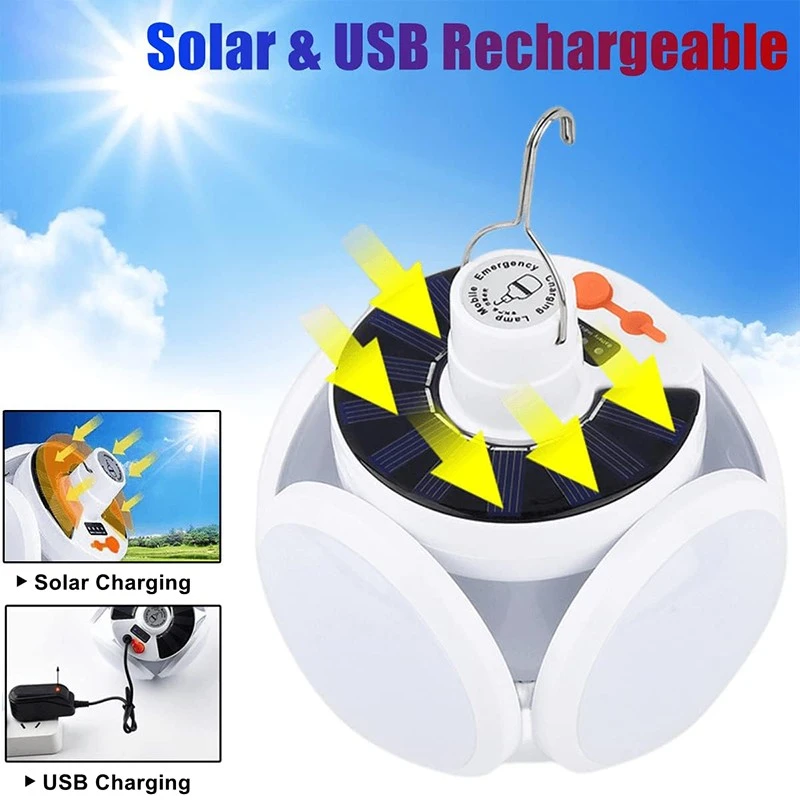
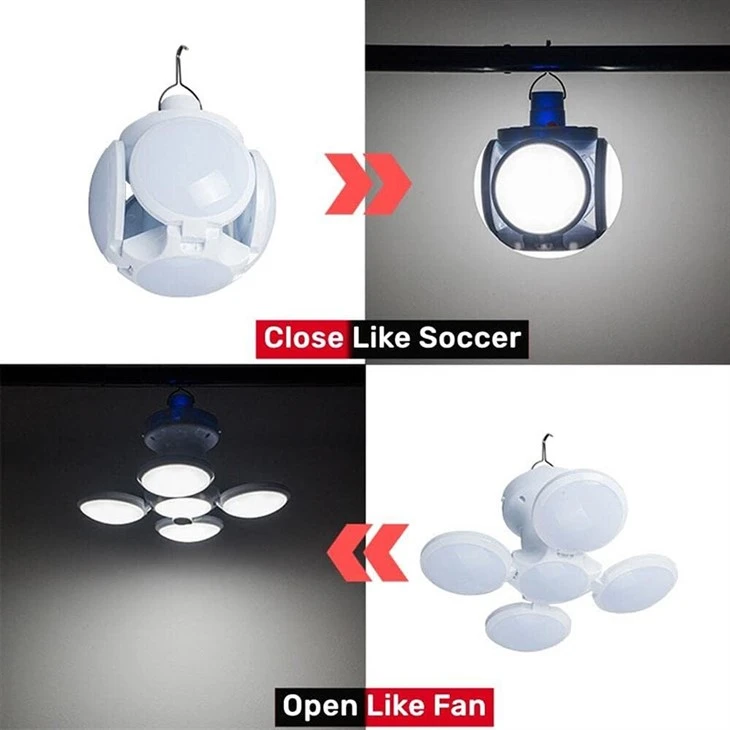
Altitude is a factor that often goes unnoticed when considering the performance of a portable solar camping light. As a supplier of high - quality Portable Solar Camping Light, I've delved into the science behind how altitude can impact these essential camping accessories. In this blog, we'll explore the various ways in which altitude affects the performance of a portable solar camping light and what you can expect when using these lights at different elevations.
The Basics of Solar Energy Collection
Before we discuss the impact of altitude, it's important to understand how a portable solar camping light works. These lights are equipped with solar panels that convert sunlight into electricity, which is then stored in a battery. When it gets dark, the battery powers the light source, providing illumination for your camping needs.
The efficiency of solar energy collection depends on several factors, including the intensity of sunlight, the angle of the sun, and the quality of the solar panels. Altitude plays a significant role in altering some of these factors, thus influencing the overall performance of the solar camping light.
Impact of Altitude on Sunlight Intensity
One of the most significant effects of altitude on a portable solar camping light is its influence on sunlight intensity. As you ascend to higher altitudes, the atmosphere becomes thinner. The thinner atmosphere means there are fewer air molecules to scatter and absorb sunlight. Consequently, the intensity of sunlight increases with altitude.
At sea level, sunlight has to pass through a relatively thick layer of atmosphere. This layer contains various gases, dust particles, and water vapor, all of which can reduce the amount of sunlight that reaches the solar panels of a camping light. At higher altitudes, say above 2000 meters, the reduction in atmospheric interference allows more direct sunlight to reach the solar panels.
For our Hanging Solar Camping Light, this increased sunlight intensity can be a boon. The solar panels can absorb more energy in a shorter period, leading to faster charging times. For example, if it takes 6 hours to fully charge the light at sea level, at a high - altitude location, it might only take 4 hours. This means you can have a fully charged light more quickly, providing longer hours of illumination during the night.
Temperature and Its Relationship with Altitude
Temperature is another crucial factor affected by altitude, and it has a direct impact on the performance of a portable solar camping light. Generally, temperature decreases as altitude increases. The rate of temperature decrease is approximately 6.5°C per 1000 meters of elevation gain.
Solar panels are sensitive to temperature. Most solar panels operate most efficiently at around 25°C. When the temperature is too high, the efficiency of the solar panels can decrease. At high altitudes, the lower temperatures can actually work in favor of the solar panels. Our Solar Folding Camping Light benefits from this cooler environment. The solar panels can maintain a more optimal temperature, which enhances their efficiency in converting sunlight into electricity.
However, it's important to note that extremely cold temperatures can also have a negative impact on the battery of the camping light. Batteries tend to lose their capacity at low temperatures. Lithium - ion batteries, which are commonly used in portable solar camping lights, can experience a significant reduction in capacity when the temperature drops below freezing. This means that while the solar panels may charge more efficiently at high altitudes due to the lower temperature, the battery may not be able to store as much energy as it would at a more moderate temperature.
Air Density and Wind at High Altitudes
Air density also changes with altitude. At higher altitudes, the air is less dense. This can have an impact on the physical stability of a portable solar camping light. For instance, if you're using a hanging solar camping light, the lower air density means there is less resistance to wind. Strong winds at high altitudes can cause the light to sway more than it would at sea level. This is something to consider when setting up your light, as excessive swaying could potentially damage the light or its mounting mechanism.
On the other hand, the lower air density can also be beneficial in terms of heat dissipation. Since the solar panels generate heat during the charging process, the less dense air at high altitudes can carry away this heat more effectively. This helps to keep the solar panels at a more optimal temperature, further improving their efficiency.
UV Radiation at High Altitudes
UV radiation levels increase with altitude. The thinner atmosphere at high altitudes allows more UV rays to reach the surface. While UV radiation is generally harmful to human skin, it can have both positive and negative effects on a portable solar camping light.
On the positive side, some solar panels are designed to capture a broader spectrum of light, including UV rays. These panels can take advantage of the increased UV radiation at high altitudes to generate more electricity. However, the increased UV radiation can also cause damage to the materials of the light over time. The plastic casing of the light may become brittle, and the wiring could degrade faster. As a supplier, we take these factors into account when designing our portable solar camping lights. We use UV - resistant materials to ensure the longevity of the lights, even in high - altitude environments.
Implications for Campers and Outdoor Enthusiasts
For campers and outdoor enthusiasts, understanding the impact of altitude on a portable solar camping light is essential. When planning a camping trip to a high - altitude location, you can expect faster charging times due to the increased sunlight intensity and more efficient solar panel operation at lower temperatures. However, you also need to be aware of the potential issues with the battery at cold temperatures and the physical stability of the light in windy conditions.
If you're camping at a high - altitude site, it's a good idea to keep the light in a warmer place, such as inside your tent, when it's not in use to prevent the battery from losing too much capacity. You should also ensure that the light is securely mounted to withstand strong winds.
Conclusion and Call to Action
In conclusion, altitude has a multifaceted impact on the performance of a portable solar camping light. While there are challenges such as cold - related battery issues and potential wind damage, there are also significant benefits, including increased sunlight intensity and better heat dissipation.
As a leading supplier of Portable Solar Camping Light, Hanging Solar Camping Light, and Solar Folding Camping Light, we've designed our products to optimize performance at various altitudes. Our lights are built with high - quality, UV - resistant materials and advanced solar panel technology to ensure reliable operation in all conditions.
If you're in the market for a portable solar camping light that can withstand the challenges of high - altitude camping, we invite you to contact us for more information. Whether you're a professional camper or a casual outdoor enthusiast, our products are designed to meet your needs. Let's start a conversation about how our portable solar camping lights can enhance your next outdoor adventure.
References
- "Solar Energy: Renewable Energy and the Environment" by John F. Kreith
- "Fundamentals of Renewable Energy Processes" by Antonio Luiz de Castro
- Research papers on the impact of altitude on solar energy collection from scientific journals such as "Solar Energy" and "Renewable Energy"


