

What is the impact of floor lawn lights on wildlife in the lawn?
Leave a message

As a supplier of floor lawn lights, I'm constantly asked about the various aspects of these products, from their durability to their aesthetic appeal. However, one question that has been cropping up more frequently in recent years is about their impact on wildlife in the lawn. In this blog post, I'll delve into the scientific evidence and shed light on this crucial topic.
Understanding the Basics of Floor Lawn Lights
Before we explore the impact on wildlife, it's essential to understand the different types of floor lawn lights available in the market. We offer a wide range of options, including Led Landscape Lawn Light, Outdoor Garden Solar Led Lawn Bollard Lights, and Lawn Solar Powered Lights. These lights not only enhance the beauty of your lawn but also provide practical illumination for safety and security purposes.
The Positive Impact on Wildlife
Contrary to what some might think, floor lawn lights can have certain positive impacts on wildlife in the lawn. For instance, the gentle illumination can attract insects, which in turn serve as a food source for birds, bats, and other insect - eating animals. Birds that are active during dawn and dusk may find it easier to spot their prey in the well - lit areas. Bats, which rely on echolocation but also use visual cues, can benefit from the increased visibility of insects flying around the lights.
Moreover, the presence of lights can create a sense of security for some small mammals. For example, rabbits and squirrels may feel more protected from predators in a well - lit area, as it becomes more difficult for nocturnal predators to approach undetected. This can lead to an increase in the local population of these small mammals, which are an important part of the ecosystem.
The Negative Impact on Wildlife
However, the story isn't all positive. Artificial light at night, including that from floor lawn lights, can have several detrimental effects on wildlife. One of the most significant impacts is on the behavior and physiology of nocturnal animals. Many animals, such as moths, are attracted to light sources. When they fly towards the floor lawn lights, they can become disoriented and exhausted. This not only disrupts their normal foraging and mating patterns but also exposes them to greater risks of predation.
For birds, especially migrating species, artificial light can cause them to deviate from their natural flight paths. The bright lights can attract them, leading them to fly towards cities or areas with high human activity, where they are at a greater risk of colliding with buildings, towers, or other structures. This can result in a significant loss of bird populations, especially during the critical migration seasons.
In addition, the constant presence of light can disrupt the circadian rhythms of wildlife. Many animals, including insects, mammals, and birds, rely on the natural cycle of light and dark to regulate their biological processes. The introduction of artificial light can interfere with this cycle, leading to changes in sleep patterns, hormone production, and reproduction. For example, some amphibians are known to be sensitive to light pollution. The presence of floor lawn lights near their breeding sites can disrupt their mating calls and breeding behavior, ultimately affecting their population numbers.
Mitigating the Negative Impact
As a responsible supplier of floor lawn lights, we are committed to minimizing the negative impact on wildlife. One of the ways we can achieve this is by using lights with appropriate color temperatures. Warm - white lights are less attractive to insects and have a lower impact on the circadian rhythms of wildlife compared to cool - white or blue - rich lights.
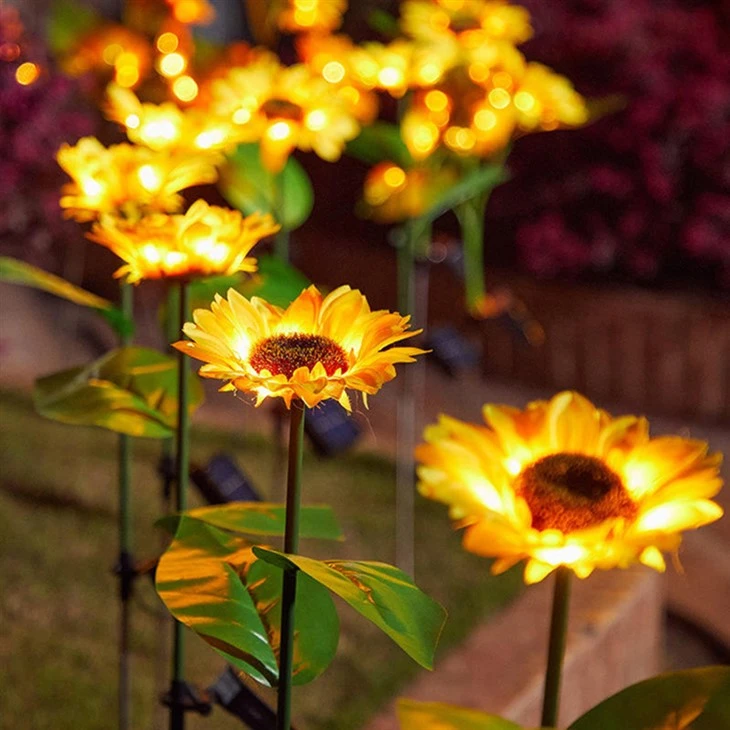

We can also recommend the use of motion - activated lights. These lights only turn on when there is movement detected, reducing the amount of time the lights are on and thus minimizing the disruption to wildlife. Additionally, proper placement of the lights can make a big difference. By directing the light downwards and avoiding over - illumination, we can reduce the spread of light pollution and its impact on the surrounding environment.
The Role of Consumers
Consumers also play a crucial role in reducing the negative impact of floor lawn lights on wildlife. When purchasing lights, they should look for products that are designed with wildlife - friendly features. They can also adjust the settings of their lights, such as the brightness and duration, to minimize the disruption to the natural environment.
Moreover, consumers can create wildlife - friendly areas in their lawns. For example, they can leave some areas of the lawn unlit to provide a dark refuge for nocturnal animals. Planting native plants can also attract a diverse range of wildlife, which can help to balance the potential negative effects of the lights.
Conclusion
In conclusion, floor lawn lights can have both positive and negative impacts on wildlife in the lawn. As a supplier, we are aware of these impacts and are taking steps to ensure that our products are as wildlife - friendly as possible. We believe that with the right combination of product design, consumer awareness, and responsible use, we can enjoy the benefits of floor lawn lights while minimizing their impact on the natural world.
If you're interested in purchasing high - quality floor lawn lights that are designed to be both aesthetically pleasing and wildlife - friendly, we'd love to have a conversation with you. Contact us to discuss your specific needs and let's work together to create a beautiful and sustainable outdoor space.
References
- Longcore, T., & Rich, C. (2004). Ecological light pollution. Frontiers in Ecology and the Environment, 2(4), 191 - 198.
- Gaston, K. J., Davies, T. W., Bennie, J., & Hopkins, J. (2013). Biological impacts of artificial night lighting: from genes to ecosystems. Journal of Applied Ecology, 50(2), 271 - 281.
- Owens, A. C., & Lewis, S. M. (2018). The impact of artificial light at night on nocturnal insects: A review and synthesis. Insect Conservation and Diversity, 11(1), 1 - 16.


