What is the power supply voltage range of a smart hexagonal LED light?
Leave a message

As a supplier of smart hexagonal LED lights, one of the most frequently asked questions I encounter is about the power supply voltage range of these innovative lighting solutions. Understanding the power supply voltage range is crucial for ensuring the proper functioning, safety, and longevity of the smart hexagonal LED lights. In this blog post, I will delve into the details of the power supply voltage range for smart hexagonal LED lights, explaining why it matters and how it impacts the performance of these lights.
Why Power Supply Voltage Range Matters
The power supply voltage range is the minimum and maximum voltage levels at which a device can operate safely and efficiently. For smart hexagonal LED lights, the power supply voltage range is a critical specification because it determines whether the lights can be used with different power sources and in various electrical environments. Using a voltage outside the specified range can lead to several issues, including:
- Reduced Lifespan: Operating the LED lights at a voltage higher than the recommended range can cause overheating, which can significantly reduce the lifespan of the LEDs. On the other hand, operating at a voltage lower than the recommended range may result in dim or flickering lights.
- Safety Hazards: Using a power supply with an incorrect voltage can pose safety risks, such as electrical shocks, short circuits, or even fires. It is essential to ensure that the power supply voltage is within the specified range to prevent these hazards.
- Performance Issues: The performance of smart hexagonal LED lights, such as color accuracy, brightness, and color temperature, can be affected by the power supply voltage. Operating the lights outside the recommended voltage range may result in inconsistent or suboptimal performance.
Typical Power Supply Voltage Range for Smart Hexagonal LED Lights
The power supply voltage range for smart hexagonal LED lights can vary depending on the specific model and manufacturer. However, most smart hexagonal LED lights are designed to operate within a voltage range of 12V to 24V DC (direct current). This voltage range is commonly used in many LED lighting applications because it is safe, energy-efficient, and compatible with a wide range of power sources.
- 12V DC: Many smart hexagonal LED lights are designed to operate at 12V DC, which is a standard voltage for low-voltage lighting systems. This voltage is commonly used in automotive applications, as well as in some home and commercial lighting systems. 12V DC power supplies are readily available and can be easily integrated into existing electrical systems.
- 24V DC: Some smart hexagonal LED lights may require a 24V DC power supply for optimal performance. This voltage is often used in larger or more powerful lighting systems, as it allows for higher current flow and can support more LEDs. 24V DC power supplies are also commonly used in industrial and commercial applications.
It is important to note that the power supply voltage range may be specified as a nominal voltage (e.g., 12V or 24V) or as a range (e.g., 10V - 14V or 22V - 26V). Always refer to the product specifications or user manual to determine the exact power supply voltage range for your smart hexagonal LED lights.
Choosing the Right Power Supply
When selecting a power supply for your smart hexagonal LED lights, it is essential to choose a power supply that meets the following requirements:
- Voltage Compatibility: Ensure that the power supply voltage is within the specified range for your smart hexagonal LED lights. Using a power supply with an incorrect voltage can damage the lights or cause them to malfunction.
- Current Rating: The power supply should have a sufficient current rating to meet the power requirements of your smart hexagonal LED lights. The current rating is typically specified in amperes (A) and can be calculated by dividing the power consumption of the lights by the voltage.
- Quality and Safety: Choose a high-quality power supply from a reputable manufacturer to ensure reliability and safety. Look for power supplies that are certified by recognized standards organizations, such as UL (Underwriters Laboratories) or CE (Conformité Européene).
Other Considerations
In addition to the power supply voltage range, there are several other factors to consider when using smart hexagonal LED lights:
- Dimming and Control: Many smart hexagonal LED lights support dimming and control features, which allow you to adjust the brightness and color of the lights. Some dimming and control systems may require a specific type of power supply or additional components, such as a dimmer switch or a smart controller.
- Installation and Wiring: Proper installation and wiring are essential for ensuring the safety and performance of your smart hexagonal LED lights. It is recommended to follow the manufacturer's instructions and consult a qualified electrician if you are unsure about the installation process.
- Environmental Conditions: The performance and lifespan of smart hexagonal LED lights can be affected by environmental conditions, such as temperature, humidity, and dust. It is important to install the lights in a suitable environment and protect them from extreme conditions.
Related Products
If you are interested in other LED lighting products, we also offer a wide range of options, including:
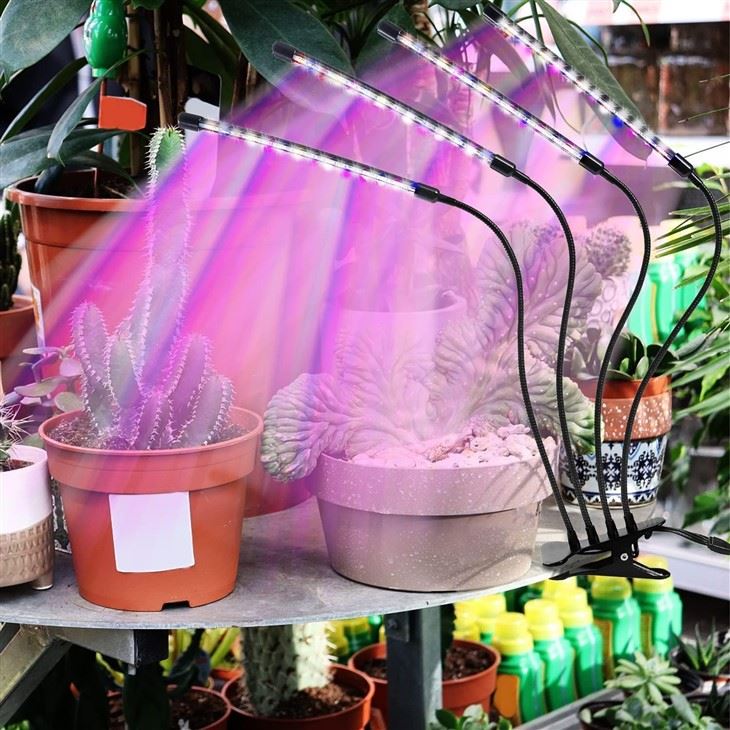
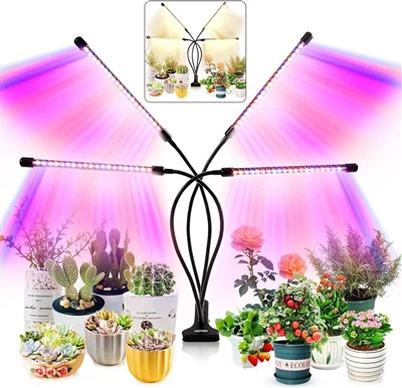
- Full Spectrum Red Blue Spectrum Lamp LED Grow Light: This LED grow light is designed to provide the optimal spectrum of light for plant growth, making it ideal for indoor gardening and hydroponics.
- 130ft RGBIC LED Strip Lights Remote App Control 24V Power Supply: These RGBIC LED strip lights offer a wide range of colors and effects, and can be controlled using a remote or a smartphone app.
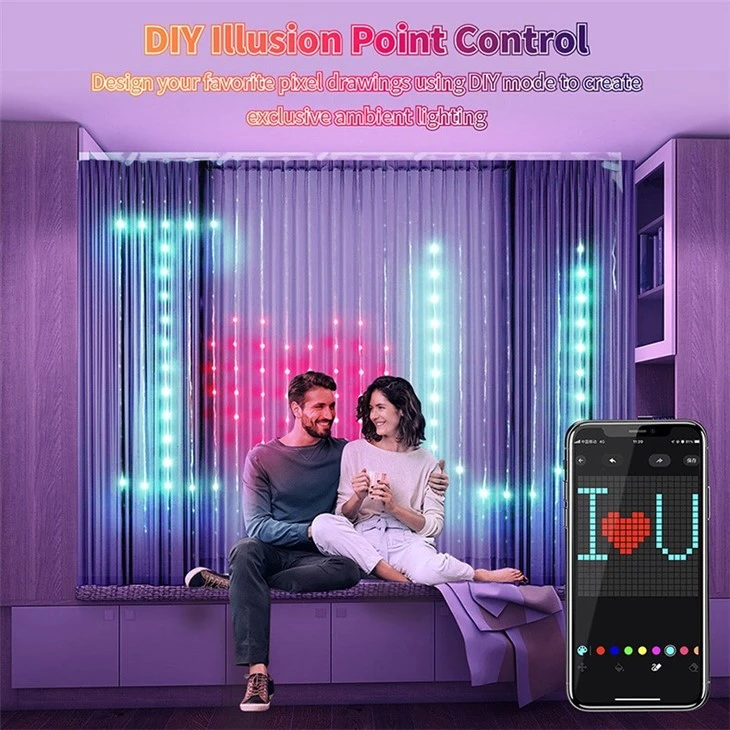
- RGBIC LED Curtain Lights App And Remote Control: These RGBIC LED curtain lights are perfect for creating a festive and colorful atmosphere in your home or outdoor space. They can be controlled using a smartphone app or a remote control.
Conclusion
In conclusion, the power supply voltage range is a critical specification for smart hexagonal LED lights. Understanding the power supply voltage range and choosing the right power supply is essential for ensuring the proper functioning, safety, and performance of these lights. Most smart hexagonal LED lights are designed to operate within a voltage range of 12V to 24V DC, but it is important to refer to the product specifications or user manual to determine the exact voltage range for your specific model.
If you have any questions or need further information about smart hexagonal LED lights or other LED lighting products, please feel free to contact us. We are a leading supplier of high-quality LED lighting solutions and are committed to providing our customers with the best products and services. Whether you are a homeowner, a business owner, or a lighting professional, we can help you find the right LED lighting solutions for your needs. Let's start a conversation about your lighting requirements and explore the possibilities together.
References
- LED Lighting Handbook, Second Edition, by John Benya and Mark McClear
- Understanding LED Lighting, by Lighting Research Center at Rensselaer Polytechnic Institute