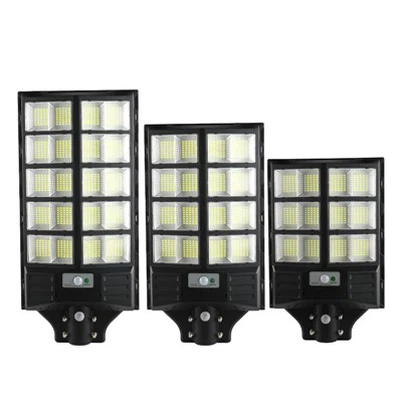
How can solar streetlights be adapted to remote areas?
Leave a message
Solar street lights show unique advantages in adapting to remote areas, mainly in the following aspects:
Independent power supply system: solar street lights do not need to be connected to the traditional power grid and obtain energy directly from the sun through solar panels, which enables them to be installed and operated in remote areas where power lines are not available or difficult to lay.
Simple Installation and Maintenance: The installation process is quick and simple, eliminating the need for complex infrastructure construction such as laying cables, which greatly reduces installation costs and time. Maintenance is also relatively simple, as the system components are few and durable.
Highly adaptable to the environment:
- Waterproof and dustproof design: ensures stable operation even under adverse weather conditions.
- Resistant to high and low temperatures: Using materials that can work in extreme temperatures ensures normal operation in hot or cold remote areas.
- Intelligent control: Built-in intelligent control system can automatically adjust the brightness according to the sunshine time and ambient light to optimize energy use and reduce unnecessary energy waste.
- Low operating cost: Since solar street light relies on natural sunlight, the long-term operating cost is low and almost no frequent manual intervention is required, reducing maintenance and electricity expenses.
- Environmentally sustainable: no pollution is generated, which meets the need to protect the natural environment in remote areas. Meanwhile, solar energy, as an unlimited renewable energy source, ensures long-term lighting supply.
- Site survey and planning: Detailed site assessment prior to installation ensures the optimal layout of solar panels and maximizes light energy absorption, allowing them to work effectively even in remote areas with complex terrain or limited light conditions.
- Expandability and Flexibility: As demand grows, solar systems can be easily expanded with additional panels and storage devices to meet more lighting needs.
- Economic and Social Benefits: In economically backward remote areas, solar streetlights provide basic lighting, improve the safety of residents traveling at night, and promote local social and economic development.
To summarize, solar streetlights have become the ideal choice for lighting in remote areas through their self-sufficient energy acquisition, ability to adapt to harsh environments, as well as low-maintenance and highly intelligent features.