How do garden lights hide in plants without ruining the natural beauty?
Leave a message
Hiding garden lights in plants and arranging them in a way that doesn't ruin the beauty of nature requires careful planning and design. Here are some strategies:
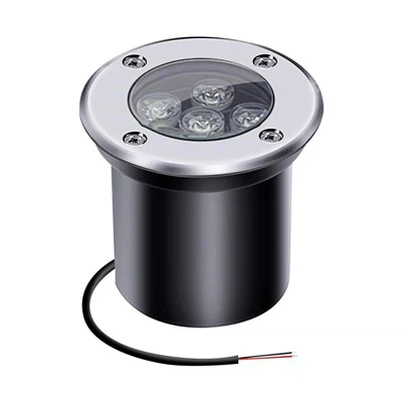
Choose the right light fixtures: Use small, low-profile or adjustable light fixtures such as buried lights or small spotlights that can easily blend into vegetation without being obtrusive.
The use of natural shelter: the lamp is installed near the roots of large plants or trees, using the leaves and branches of plants to naturally block, only letting the light through, creating a natural scattering effect.
Lighting Angle adjustment: Ensure that the lighting Angle is pointed at the ground or specific landscape elements, avoiding direct exposure to the viewer's eyes, while reducing interference with plant growth.
Buried wiring: The wiring should be concealed, using underground wiring or hidden under the SLATE to ensure visual cleanliness and avoid damaging the overall beauty of the garden.
Plant selection and layout: Consider the growth pattern and height of the plants at the beginning of the design, and choose plants that can grow over time and cover the lamps, such as vines or tall shrubs.
Seasonal considerations: Considering the growth changes of plants in different seasons, the selection of lamp locations should anticipate the shelter effect of plants in different seasons to ensure harmony throughout the year.
Low light: The use of a weak light source, mimicking the moonlight effect, so that even if the lamp is found, it appears natural because of its soft light.
Test and adjustment: After installation, night test is carried out to observe the lighting effect, and adjust the position or brightness of the lamp if necessary to ensure a harmonious unity with the surrounding environment.
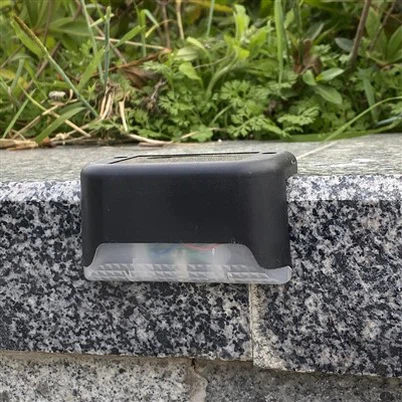
Hidden design: Some lamps are designed in stone, wood blocks or other natural forms, which are directly integrated into the garden decoration, which is both practical and beautiful.
Professional advice: Consider hiring a landscape architect or lighting expert who can provide professional advice to ensure that the lighting design is both practical and perfectly integrated with the natural environment.
Through these methods, garden lights can be cleverly integrated into the environment, meeting lighting needs while maintaining the natural beauty and harmony of the garden.