How Do Solar Outdoor Lights Work? Understand the Core Principles in 3 Minutes
Leave a message
For many overseas homeowners, solar outdoor lights have become a go-to choice for illuminating lawns, patios, and pathways-they're eco-friendly, cost-saving, and free from messy wires. But have you ever wondered: How do these lights "collect sunlight" during the day and "automatically glow" at night? Let's break down their core working principles in just 3 minutes, with simple explanations that anyone can follow.
It All Starts with 4 Key Components
Think of solar outdoor lights as a small, self-sufficient "energy system"-they rely on 4 core parts working together. You don't need to be an engineer to understand them; here's what each does:
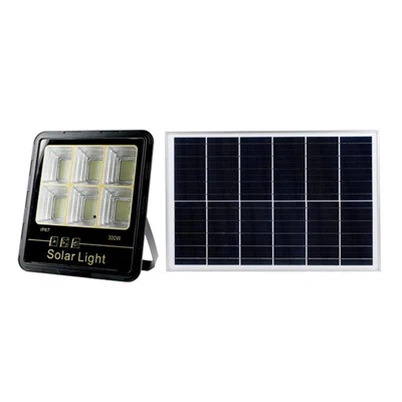
Solar Panel (The "Sunlight Collector"): This is the flat, usually dark-colored part on top of the light (or attached to it). Its job is to capture sunlight and turn it into electricity. Most panels use monocrystalline or polycrystalline silicon-materials that are great at converting sunlight into usable energy (monocrystalline is a bit more efficient, which matters for cloudy days!).
Rechargeable Battery (The "Energy Storage Tank"): Just like a phone battery stores power for later, this battery saves the electricity generated by the solar panel. Common types include Ni-MH (like the 1.2V/AA 600mAh battery in many fairy lights) or lithium-ion (more durable for long-term use). It keeps the energy safe until night falls.
Photocell/Controller (The "Smart Switch"): This is the "brain" of the light. A built-in photocell detects when it gets dark (like sunset) and tells the controller to turn on the LED. When sunrise comes, it senses light again and shuts off the LED-so the battery can start recharging. It also prevents overcharging (which damages batteries) and over-discharging (so the light doesn't die mid-night).
LED Bulb (The "Light Maker"): LEDs are used because they're super energy-efficient-they use far less power than old incandescent bulbs, which means the battery can keep them lit for 6-12 hours (depending on the light). Most solar outdoor lights use warm white or cool white LEDs, matching different decor styles.
Step 1: Collect Sunlight (Daytime)
When the sun comes up, the solar panel gets to work. Sunlight hits the panel's silicon cells, which knock electrons loose-creating a small electric current (this is called the "photovoltaic effect," but you just need to know it's how sunlight becomes electricity!).
The controller then sends this electricity to the rechargeable battery. Important tip for overseas users: If you live in a place with less sunlight (like northern Europe in winter) or more shade, make sure to install the solar panel where it gets 6+ hours of direct sunlight daily (avoid trees, walls, or roof overhangs). Even a little shade can cut down on charging!
Step 2: Store Energy (All Day)
The battery acts like a "tank" storing the electricity. The controller keeps an eye on the battery level-once it's fully charged (usually by late afternoon), the controller stops sending power to prevent overcharging. This is why quality solar lights last for years: the controller protects the battery from damage.
For example, a 600mAh Ni-MH battery (common in fairy lights) will fully charge if the panel gets enough sunlight. If it's a cloudy day, it might charge to 70-80%-so the light will still glow at night, just maybe for a little less time (4-6 hours instead of 8).
Step 3: Automatically Light Up (Nighttime)
As the sun sets, the photocell detects that the light level drops below a certain threshold (usually around 10-20 lux, which is like dusk). It sends a signal to the controller, which "flips the switch": the battery stops charging and starts sending power to the LED bulb.
The LED then lights up-no need for you to do anything! The light will stay on until either the battery runs out of stored energy or the photocell detects sunrise (whichever comes first). For most solar lights, this means 6-12 hours of light-perfect for evening dinners on the patio or lighting up a pathway for late-night walks.
Step 4: Repeat (Every Day)
When sunrise comes, the photocell senses bright light again. The controller shuts off the LED, and the solar panel starts collecting sunlight to recharge the battery-starting the cycle over. This is why solar outdoor lights are "set-it-and-forget-it": once you install them, they work automatically every day, no wires or electricity bills needed.
Quick Q&A for Overseas Users
Q: Will it work in cold weather? Yes! Most modern solar batteries (especially lithium-ion ones) work in temperatures as low as -20°C (-4°F)-great for places like Canada or northern Europe. Just make sure to wipe snow off the solar panel after a storm.
Q: What if it rains for days? If the battery was fully charged before the rain, it can usually power the light for 2-3 cloudy/rainy days. After that, it will recharge once the sun comes out.
Q: Do I need to turn it on/off manually? No! The photocell and controller do all the work. Just make sure the light's main switch is in the "ON" position (some lights have a switch to turn them off for storage).
Now you know exactly how solar outdoor lights work-from sunlight to nighttime glow. It's a simple, smart system that saves you money, helps the planet, and keeps your outdoor spaces beautiful. Whether you're using solar fairy lights, lawn stakes, or wall lights, this same core principle keeps them shining bright!