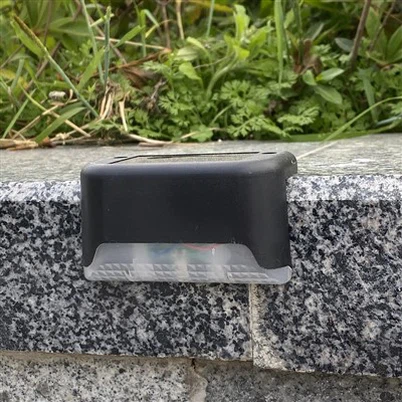
How does the brightness of a solar street light change when it is cloudy or rainy?
Leave a message
On rainy days, the brightness of the solar street light will be reduced, this is because:
Reduced charging: solar panels receive less sunlight on cloudy and rainy days, resulting in a significant reduction in charging, which affects the supply of electricity for lighting at night.
Intelligent dimming: In order to cope with the lack of power, most solar street lights are equipped with intelligent controllers, which can automatically adjust the power of the LED lights according to the charging status of the battery. On cloudy and rainy days, due to the reduced charging, the controller will reduce the output power to extend the lighting time, which directly leads to lower brightness.
Reserve Power Usage: On consecutive rainy and cloudy days, if the power accumulated from previous sunny days is gradually consumed and the new charge is not enough to replenish it, the brightness of the street light will gradually diminish as the battery power decreases.
Design difference: some advanced or professionally designed solar street lights may have better low-light charging performance, which can reduce the degree of brightness decline to some extent, but prolonged continuous cloudy and rainy days will still affect their performance.
To summarize, although the solar street light can still work on cloudy and rainy days, its brightness will be automatically adjusted according to the specific weather conditions and system configuration due to insufficient charging, and it will usually be dimmer than that on a sunny day. In order to ensure the lighting effect, the design will take into account a certain number of days of cloudy and rainy periods to ensure that the basic lighting is maintained for as long as possible with limited power.