How is solar street light automatically controlled?
Mar 03, 2025
Leave a message
The automatic control mechanism of solar street light mainly includes the following aspects:
Light Control (Photocell Control):
- Solar street lights are usually equipped with a photoresistor or known as a photocell sensor, which can sense the light intensity of the surrounding environment. When the ambient light drops to a preset threshold, the photocell sensor triggers a circuit to light up the LEDs or other light sources. On the contrary, when the light is sufficient, the photoresistor resistance changes, the circuit automatically cuts off the lighting, so as to realize the daytime automatic light off and nighttime automatic on.
Time Control:
- Some systems incorporate a clock module that can be pre-programmed to set the time for switching the lights on and off to cope with the difference in sunrise and sunset times caused by seasonal changes. This can complement light control, especially in cloudy or less light-changing weather.
Solar Panel Tracking System:
- Advanced solar street light systems may be equipped with automatic tracking devices that utilize photovoltaic tracking technology to allow solar panels to adjust their angle as the sun moves, maximizing the efficiency of light energy absorption. This usually involves a combination of motors and sensors to ensure that the panels are always aligned with the strongest light source.
Intelligent control systems:
- A microprocessor (e.g., microcontroller) is used as the core, combined with software algorithms to implement more sophisticated control logic. For example, dynamically adjusting the lighting intensity based on battery level, weather forecast data (obtained via wireless network), or enabling energy-saving modes such as time-sharing of lighting and lowering of brightness on consecutive cloudy and rainy days.
Pedestrian detection and energy saving:
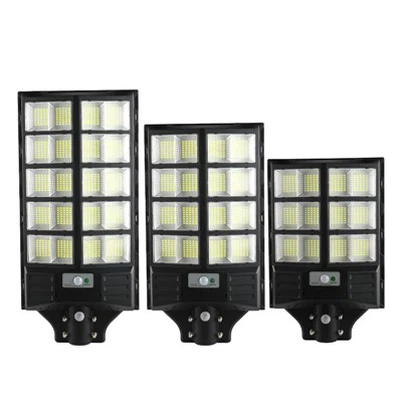
- New solar streetlight systems may integrate pedestrian detection technologies, such as infrared sensing, to brighten the streetlight when pedestrians or vehicles are detected, and automatically dim the brightness when no one is present, further saving energy.
Battery protection mechanism:
- The controller has a built-in protection circuit to prevent overcharging or discharging of the battery, and by monitoring the battery voltage, it ensures that the battery operates within a safe range and extends the battery life.
Remote Control and Monitoring:
- Some advanced systems support remote monitoring and adjustment of street light status through Internet of Things (IoT) technology, allowing managers to control remotely according to the actual situation and improve management efficiency.
To summarize, the automatic control of solar streetlights is a comprehensive system that integrates multiple sensors, actuators, and intelligent algorithms to achieve intelligent management of light, energy storage, and usage, ensuring efficient and reliable lighting services.