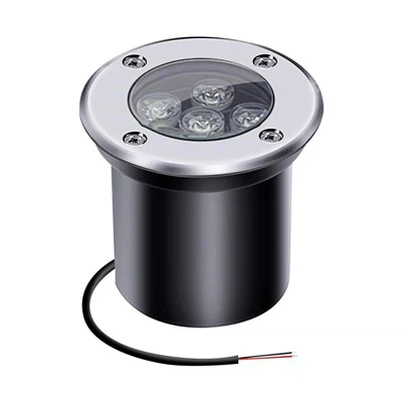
How to use solar lamps in rainy areas?
Leave a message
In the use of solar lamps in rainy areas, special attention needs to be paid to the following points to ensure their normal operation and extend their service life:
Waterproof and dust-proof design: Choose lamps with a high waterproof rating (such as IP65 or higher) to ensure that rain does not penetrate the internal components, while dustproof design can reduce maintenance requirements and avoid internal dust accumulation affecting performance.
Solar panel location: Reasonable installation of solar panels, so that it as far as possible to avoid being directly washed by rain for a long time, while ensuring good sunshine reception. Inclined installation can be considered to allow rainwater to slide naturally and reduce water accumulation.
Battery and controller protection: Ensure that the battery and controller unit are installed in a waterproof case to avoid short circuit or damage caused by wet conditions. These critical components should be placed in a well-ventilated location that is not prone to water accumulation.
Material selection: Ensure that the lamp shell, bracket, etc., is made of corrosion-resistant materials, such as stainless steel or specially treated aluminum alloy, to adapt to the humid environment and prevent rust.
Intelligent control system: The use of intelligent control system to monitor the status of the battery, automatically adjust the charge and discharge, avoid excessive discharge in continuous rainy days, protect the battery.
Increase lighting backup: In rainy areas, consider a light-rain complementary system that combines solar with other energy sources (such as small wind power or mains backup) to ensure continuous lighting.
Regular maintenance: Regularly check the tightness of lamps, clean dirt and water stains on solar panels, and maintain efficient light energy conversion.
Optimize the installation location: Choose the installation location with relatively good lighting conditions to maximize the collection of solar energy even in cloudy or rainy days.
Through the above measures, solar lamps can also work stably in rainy areas, providing reliable night lighting, while reducing maintenance costs and efficiency losses caused by adverse weather conditions.