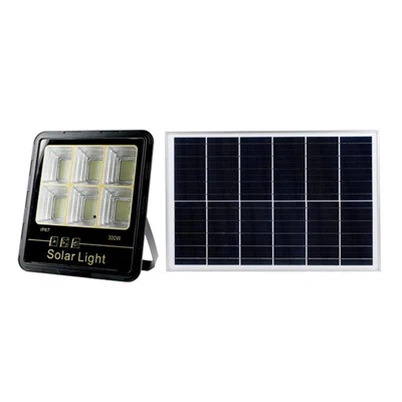
If a solar panel is attached to a lamp and the light shines on the panel, can it be self-sufficient?
Leave a message
Cannot achieve self-sufficiency. When a solar panel is connected to a lamp and the lamp shines directly at the panel, the solar panel can theoretically absorb some of the light and generate an electric current, but this cycle is inefficient and impractical. The main problem is:
Low energy conversion efficiency: The light's spectrum and intensity are different from that of sunlight, and its energy efficiency is much lower than that of sunlight, resulting in little of the light energy absorbed by solar panels being converted into enough electricity.
Cycle consumption: Light bulbs need to consume electricity, this part of the electricity from the panel previously stored electricity. When the lamp illuminates the panel, the electricity generated by the panel is not enough to supplement the electricity consumed by the lamp, but will reduce the overall power of the system because of heating and other losses.
Unstable cycle: This cycle leads to continuous consumption of electrical energy without effective replenishment, and eventually the battery runs out and the light goes out.
Photoelectric conversion limitation: The photoelectric conversion efficiency of solar panels is limited, and the efficiency is even lower under unnatural light, and it is impossible to achieve continuous electrical energy output in this way.
Therefore, the direct self-contained cycle between the solar panel and the bulb is not feasible, and the practical application requires the solar panel to charge by sunlight during the day, and then store the electricity in the battery, and then the battery provides electricity for the lamp at night.