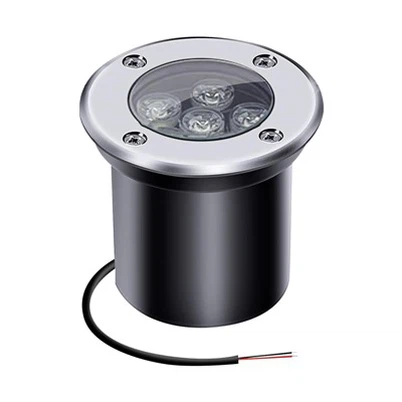
What are the design principles of landscape lighting?
Leave a message
Landscape lighting is designed to create aesthetic effects, enhance the spatial environment, and fulfill safety and functional needs. Here are some principles of landscape lighting design:
Lighting demand analysis: Before designing, it is necessary to fully understand the use of the site and user needs. Different areas may require different types and intensities of lighting, e.g. pedestrian areas, intersections, courtyards, etc.
Layers of Lighting Design: Use layers of lighting to create a rich visual effect. Categorize lighting into main, secondary, and accent lighting to create layers throughout the landscape.
Energy saving and sustainability: Adopt energy-saving light sources such as LEDs with high energy efficiency and long lifespan, combined with an intelligent control system that adjusts the lighting intensity and time as needed to reduce energy consumption.
Color and Color Temperature: Choose appropriate colors and color temperatures to suit different scenes and atmospheres. Warmer tones are often used to create a warm and intimate atmosphere, while cooler tones are often used for accent and nighttime security lighting.
Orientation and Distribution: Orientation and distribution of luminaires should be carefully planned according to needs and design objectives. Proper distribution of light sources can evenly cover the area and avoid uneven light and dark situations.
Anti-glare design: Avoid strong glare to ensure the safety of pedestrians and drivers. Appropriate lampshade and visor designs are used to reduce light pollution.
Waterproof and dustproof: Due to the complexity of the outdoor environment, landscape lights need to have a certain degree of waterproof and dustproof performance to ensure stable operation for a long time.
Structure and materials: choose weather-resistant and corrosion-resistant materials to ensure that the landscape light has good durability and stability.
Style consistency: The design of landscape lights should be coordinated with the surrounding environment and architectural style to create an overall harmonious visual effect.
Intelligent control system: The integrated intelligent control system can automatically adjust the lighting effect according to different time and demand, improve energy efficiency and meet the user's personalized needs.
In the process of landscape lighting design, the above principles can be flexibly adjusted according to the specific site and demand to realize the best lighting effect and design effect.