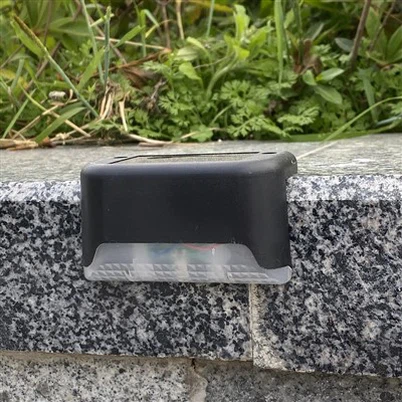
What are the differences in the effectiveness of solar garden lights with different waterproof ratings for use on the beach?
Leave a message
When using solar garden lights at the seaside, the performance of luminaires with different waterproof ratings can vary significantly due to their special environmental conditions, such as high humidity, salt spray erosion and water splashes from frequent sea breezes:
IP65: This grade of luminaire is able to prevent water jets from any direction and is suitable for general outdoor use, but in a high salt and high humidity environment such as the seaside, prolonged exposure may lead to salt spray erosion of the internal components, affecting the stability and life of the electronic components. Especially in high tide or windy weather, it may not be enough to fully protect against seawater splash.
IP66: Provides a higher level of protection against strong water currents and direct splashing, making it more suitable for seaside environments. It provides better resistance to salt spray and rain, reducing the risk of corrosion and extending the life of the luminaire, but continuous salt spray conditions may still have some effect.
IP67: Allows the luminaire to be briefly submerged in water, meaning that the luminaire will remain functional without damage, even in the event of light lapping of waves or rainwater buildup. For seaside locations, IP67 rated solar lights can effectively handle occasional saltwater exposure, increasing reliability in extremely wet environments.
IP68: Provides the highest level of waterproof protection and is capable of operating in prolonged water immersion conditions, making it suitable for extreme environments in seaside or underwater installations. For seaside gardens, IP68 rated luminaires are virtually unaffected by salt spray and seawater, making them ideal for ensuring long term stability in harsh marine environments.
Difference Summary:
- Resistance to salt spray erosion: IP68 luminaires are better able to resist salt spray erosion due to their better sealing, whereas IP65 may experience corrosion problems earlier.
- Moisture resistance: With high humidity at the beach, IP66 and above can more effectively prevent internal moisture and reduce circuit failures.
- Maintenance frequency: The higher the IP rating, the less frequent maintenance and replacement will be required as they are more resistant to the harsh seaside environment.
- Stability in use: In extreme weather conditions, such as storms and high tides, the stability and continuous illumination of IP68 fixtures is far superior to those with lower ratings.
Therefore, when using solar garden lights at the seaside, choosing a waterproof rating of at least IP66 and preferably IP68 can significantly improve the durability and illumination of the fixtures, reduce maintenance costs, and ensure long-term reliable operation.