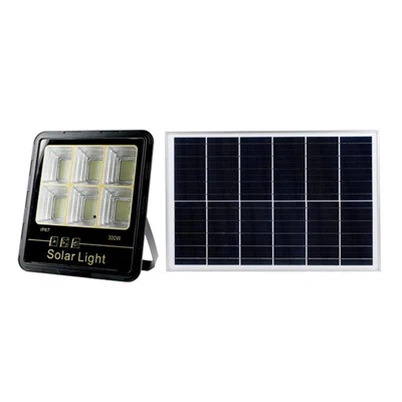
What are the reasons for the short lighting time of solar lights?
Leave a message
The reasons for the short lighting time of solar lights may include the following:
1. Insufficient sunshine time or insufficient solar energy reception: The performance of solar lights is directly affected by sunshine time and sunlight intensity. If the installation location is in a shaded area or the sunshine time is short in winter, the solar energy received by the solar panel may not be enough to fully charge, resulting in a shortened working time of the lamp.
2. Improper controller settings: The controller is used to adjust the lighting time and brightness of the solar street light. If it is improperly set, such as not adjusted according to local actual conditions, it may result in a short lighting time.
3. Battery aging or insufficient capacity: The aging or reduced capacity of the battery will affect the lighting time of the solar light, because the battery is responsible for storing the electrical energy converted by the solar panel.
4. Solar panel obstruction: If dust, foreign matter or bird droppings accumulate on the solar panel, it will affect its conversion efficiency, resulting in insufficient charging, which in turn affects the lighting time.
5. Rainy days or continuous cloudy days: In rainy weather or continuous cloudy days, the charging efficiency of the solar panel will be reduced, resulting in insufficient battery power, thereby shortening the lighting time at night.
To solve the problem of short lighting time of solar lights, the following measures can be taken:
1. Optimize the installation location:
- Ensure that the solar panel can be fully exposed to the sun and avoid being blocked or covered by shadows.
- Try to choose a location with sufficient light to install it, and avoid installing it under the shadow of tall buildings or trees.
2. Check and maintain solar panels:
- Clean the surface of solar panels regularly and keep it clean to improve the efficiency of light energy absorption.
- Check whether the solar panel is damaged or dusty, and repair and clean it if necessary.
3. Check and replace batteries:
- Check the battery status regularly to ensure that the battery is in good working condition.
- If the battery is found to be aging or damaged, replace it with a new battery that meets the specifications in time.
4. Check and adjust the charging circuit:
- Check the working status of the light control circuit or charging controller to ensure its normal operation.
- If necessary, adjust the charging circuit to improve the charging efficiency or optimize the settings according to actual usage.
5. Reasonable selection of lamp power:
- Choose lamps with appropriate power according to actual needs, and avoid installing lamps that exceed the carrying capacity of the solar system.
6. Dealing with severe weather conditions:
- Consider possible severe weather conditions during the design and installation process, and choose solar lamp products with anti-severe weather characteristics.
- When the weather is bad, backup lighting or other emergency measures can be taken to ensure the lighting effect.
7. Regular maintenance and inspection:
- Regularly perform maintenance inspections on the solar lamp system, including circuit connection, battery charging status, lamp working status, etc.
- If problems are found, repair and adjust them in time to ensure the long-term stable operation of the solar lamp system.
Through the comprehensive implementation of the above measures, the lighting time and use effect of solar lamps can be effectively improved, ensuring their reliability and sustainability under different environmental conditions.