What are the specific applications of green materials in large landscape lighting?
Leave a message
The application of green materials in large landscape lighting is mainly reflected in the following aspects to ensure that the lighting facilities are both aesthetically pleasing and in line with the requirements of sustainable development:
Recyclable materials: materials such as recycled plastics and recycled metals are used to manufacture lighting housings, which can be recycled and reused at the end of the product life cycle, reducing resource consumption and environmental pollution.
Biodegradable materials: Biodegradable materials, such as composites based on plant fibers, may be used in certain non-load-bearing or decorative components, which can be decomposed under natural conditions, reducing the burden on landfills.
Low environmental impact coatings: non-toxic, low Volatile Organic Compounds (VOC) coatings are used to minimize adverse impacts on the environment and human health.
Energy-saving light source: Integrated LED light source, with its high energy efficiency and long life, reduces energy consumption and the need for frequent replacement. The cold light source characteristic of LED lights also reduces the need for heat dissipation, which in turn reduces the use of materials.
Intelligent control system: Although not the material itself, the application of intelligent control system reduces unnecessary lighting, and indirectly reduces energy waste through sensor or timer control, which complements the green concept.
Natural Ventilation and Heat Dissipation Design: The use of natural ventilation principles in luminaire design reduces the reliance on additional heat dissipation materials, which not only saves materials but also reduces energy consumption.
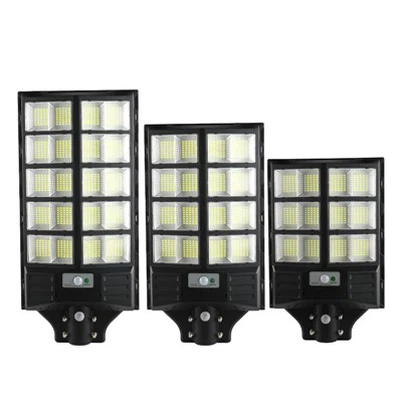
Solar integration: In some freestanding landscape lights, solar panels can be integrated to utilize renewable energy to power the fixtures, reducing reliance on the grid and achieving self-sufficient green lighting.
Eco-friendly lighting: Choose lighting methods that have a low impact on the environment, such as the use of soft diffused light, to minimize interference with the surrounding ecology and to protect the habitat of nocturnal organisms.
Through these specific applications, green materials not only enhance the environmental performance of landscape lighting, but also promote the sustainable development of the entire landscape lighting industry, while ensuring the lighting effect and artistic aesthetics.