What is the difference between warm white light 4000k and white light 6000k?
Leave a message
There are significant differences between warm white light 4000K and white light 6000K in lighting effects and applicable scenes:
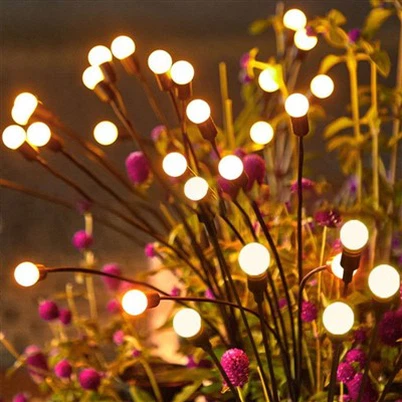
Color temperature difference: 4000K warm white light is close to natural light, giving people a warm and comfortable feeling, its color is between warm yellow light and cold white light, simulating the natural light in the afternoon or evening. The 6000K white light is closer to the color temperature of the midday sun, presenting a bright and slightly cool tone of white light, giving a clear, solemn feeling.
Visual experience: The Warm White 4000K is ideal for creating a relaxing and family-friendly environment, suitable for bedrooms, living rooms and dining rooms where a welcoming atmosphere is needed. In contrast, white light at 6000K is more suitable for work environments that require high attention and clear vision, such as offices, libraries or studios.
Physiological effects: Warm light is considered to be less stressful on the eyes, conducive to relaxation and sleep, and suitable for use at night. Cool light may increase alertness and reduce sleepiness, making it suitable for daytime or situations that require prolonged concentration.
Application recommendation: For children and adults reading, 4000K natural light is recommended as the best choice, because it reduces the harm of blue light, while providing good reading lighting. Although 6000K light source can provide clear lighting, but considering the potential impact of blue light on the eyes, it is not recommended to use in large quantities in children's rooms.
Environmental adaptation: In home decoration, warm white light is usually used to create a more comfortable living environment, while 6000K white light is more suitable for public areas or commercial places that require high brightness lighting.
In summary, the choice of 4000K warm white light or 6000K white light mainly depends on the environmental needs and personal preferences of lighting, as well as consideration of the impact of light color temperature on emotional and visual health.