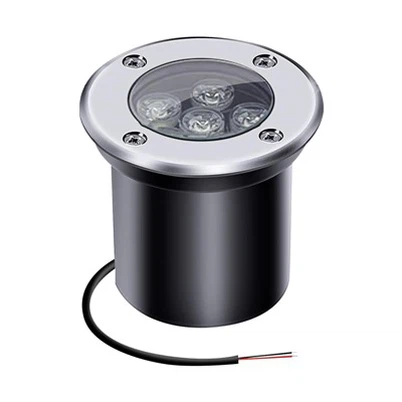
Will the increased height of the solar garden lights affect the second floor tenants?
Leave a message
An increase in the height of solar garden lights may indeed have an impact on second-story occupants, primarily because taller fixtures may result in more light shining directly or indirectly into a home's windows, especially if they are not designed with proper shading. This direct or reflected light may cause interior glare and affect occupant comfort, especially at night when interior light is low and yard lights are on.
To avoid this, the following points should be considered when designing and installing solar garden lights:
- Choose the right height: make sure the height of the light fixture meets the lighting needs without causing nuisance to the occupants of the neighboring buildings.
- Use shading grids or asymmetrical light distribution luminaires: this controls the direction of light diffusion and reduces scattered light upwards or in a particular direction.
- Adjust the angle of illumination: Ensure that luminaires are angled downwards to reduce direct light to windows on the second and higher floors.
- Use a low-glare light source: LED luminaires often offer better glare control options, and choosing the right luminaire and light source can reduce glare problems.
- Plant shading: Where possible, use natural landscaping such as trees or shrubs as shading to both beautify the environment and reduce light pollution.
To summarize, although raising the height of solar garden lights can expand the lighting range, it is necessary to take into account the surrounding environment and the comfort of the residents, and to avoid any adverse impact on the second floor occupants through rational design.