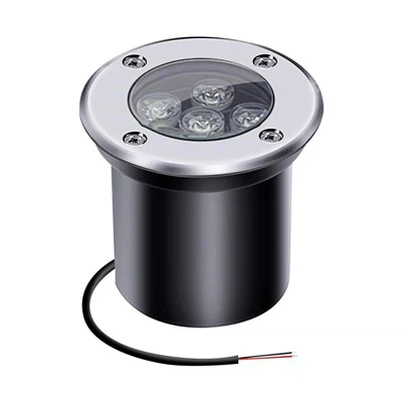
Revolutionizing Garage Spaces: The Rise Of Smart And Energy-Efficient Lighting
Leave a message
The Evolution of Garage Lighting
Once relegated to dim incandescent bulbs, garage lighting is undergoing a radical transformation. Driven by LED innovation and IoT integration, modern garage lights now prioritize energy efficiency, smart controls, and adaptive functionality. Industry reports indicate that by 2025, LED technology will dominate 100% of new installations, reducing global carbon emissions by an estimated 15.2 million tons annually.

Key Innovations Shaping the Market
Hyper-Efficient LED Systems
Modern 9W LED illuminators outperform traditional 60W bulbs, offering 500% energy savings while delivering brighter, shadow-free illumination. Their extended lifespan (50,000+ hours) minimizes maintenance-a critical advantage for high-ceiling garages.
AI-Powered Smart Controls
Cutting-edge systems now feature:
Motion-activated zone lighting
Voice/app integration (e.g., "Alexa, brighten workshop area")
Adaptive color temperatures (cool white for tasks, warm for ambiance)
Self-diagnosing maintenance alerts
Sustainable Design Trends
Solar-hybrid fixtures with backup batteries are gaining traction, particularly in regions with unstable grids. Recyclable aluminum housings and mercury-free components align with circular economy principles, reducing landfill waste by up to 90% compared to fluorescent alternatives.
Safety-Enhancing Features
New models incorporate:
Emergency power reserves during outages
Anti-glare optics to prevent driver blindness
Seismic/vibration sensors triggering automatic shutdown
Future Outlook
Researchers predict three 2025-2030 developments:
LiFi-enabled lights transmitting data through light waves
Self-charging systems harnessing kinetic energy from moving vehicles
Holographic repair assistants projected from ceiling fixtures
Conclusion
As garages evolve from storage spaces to workshops, EV charging hubs, and home gyms, intelligent lighting solutions are becoming the cornerstone of functional, sustainable, and safe residential design. With prices dropping 40% since 2022, the barrier to upgrading has never been lower.