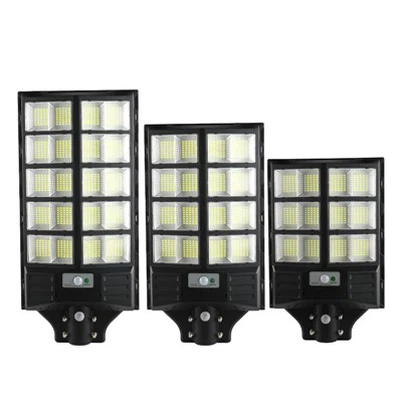
What is the impact of heat on the performance of highway solar street lights?
Leave a message

As a highway solar street light supplier, I've witnessed firsthand the significant influence of heat on the performance of these essential lighting solutions. In this blog, I'll delve into the various ways heat impacts highway solar street lights and discuss potential strategies to mitigate these effects.


How Heat Affects Solar Panels
Solar panels are the heart of highway solar street lights, responsible for converting sunlight into electricity. High temperatures can have a detrimental impact on their efficiency. When the temperature rises, the electrical conductivity of the semiconductor materials in solar panels decreases. This reduction in conductivity leads to a drop in the power output of the panels. According to research, for every degree Celsius increase in temperature above 25°C, the efficiency of a typical crystalline silicon solar panel can decrease by about 0.5%.
In regions with extremely hot climates, this temperature - induced efficiency loss can be substantial. For example, in deserts where temperatures can soar well above 40°C during the day, solar panels may operate at significantly lower efficiency levels compared to their rated performance. This means that the solar panels may not be able to charge the batteries as effectively as they would in cooler conditions, ultimately affecting the overall performance of the highway solar street lights.
Impact on Batteries
Batteries are another crucial component of highway solar street lights, storing the energy generated by the solar panels for use during the night. Heat can have a profound impact on battery performance and lifespan. Most commonly used batteries in solar street lights, such as lead - acid and lithium - ion batteries, are sensitive to high temperatures.
High temperatures accelerate the chemical reactions inside the batteries. While this may initially increase the battery's capacity and performance, over time, it also leads to faster degradation of the battery's components. For lead - acid batteries, high heat can cause the electrolyte to evaporate more quickly, leading to a decrease in battery capacity and potentially causing internal short - circuits. Lithium - ion batteries are also affected by heat; elevated temperatures can cause the battery's anode and cathode materials to break down, reducing the battery's ability to hold a charge and shortening its overall lifespan.
In addition, high temperatures can increase the self - discharge rate of batteries. This means that the batteries will lose their stored energy more rapidly even when not in use. As a result, the highway solar street lights may not be able to provide sufficient illumination throughout the night, especially in areas with long nights or high heat exposure.
Effects on LED Lights
LED lights are widely used in highway solar street lights due to their energy efficiency and long lifespan. However, heat can also impact the performance of LED lights. LEDs are semiconductor devices, and their performance is highly dependent on temperature.
When the temperature of an LED increases, its light output decreases. This is known as thermal droop. High temperatures can also cause a shift in the color of the light emitted by the LED. The light may become warmer in color, which can affect the visibility and quality of the illumination on the highway.
Moreover, excessive heat can reduce the lifespan of LEDs. The high - temperature environment can cause the internal components of the LED to degrade more quickly, leading to premature failure. This not only increases the maintenance costs of the highway solar street lights but also affects the reliability of the lighting system.
Strategies to Mitigate the Impact of Heat
To ensure the optimal performance of highway solar street lights in hot environments, several strategies can be employed.
Solar Panel Design and Installation
One approach is to use solar panels with better heat dissipation capabilities. Some manufacturers are developing solar panels with advanced cooling technologies, such as heat pipes or passive cooling fins, to reduce the temperature of the panels during operation. Additionally, proper installation of solar panels can also help to minimize heat absorption. For example, mounting the solar panels at an angle that allows for better air circulation can prevent the buildup of heat.
Battery Management
For batteries, using battery management systems (BMS) is crucial. A BMS can monitor the temperature of the batteries and adjust the charging and discharging processes accordingly. It can also prevent over - charging and over - discharging, which are more likely to occur in high - temperature environments. Furthermore, choosing batteries that are specifically designed for high - temperature applications can improve their performance and lifespan.
LED Cooling
To address the heat issues of LED lights, effective cooling mechanisms can be incorporated into the design of the light fixtures. Heat sinks are commonly used to dissipate heat from the LEDs. These heat sinks are made of materials with high thermal conductivity, such as aluminum, and are designed to increase the surface area for heat transfer. Some advanced LED light fixtures also use active cooling methods, such as fans, to maintain the temperature of the LEDs within an optimal range.
Our Product Solutions
As a highway solar street light supplier, we offer a range of products that are designed to perform well even in high - temperature environments. Our 1000w Intergrated Solar Street Light is equipped with high - efficiency solar panels that have been optimized for heat resistance. The integrated design also includes a well - designed battery management system to ensure the longevity of the battery.
Our Ip65 Waterproof 60 Watt Solar Street Light is not only waterproof but also features excellent heat dissipation for the LED lights. The IP65 rating ensures that the light can withstand harsh environmental conditions, including high heat and humidity.
For larger - scale projects, our 800W Best Solar Street Lights are a great choice. These lights are designed with advanced cooling technologies for both the solar panels and the LED lights, ensuring reliable performance in hot climates.
Conclusion
Heat has a significant impact on the performance of highway solar street lights, affecting the solar panels, batteries, and LED lights. However, with proper design, installation, and management strategies, it is possible to mitigate these effects and ensure the reliable operation of these lighting systems. As a highway solar street light supplier, we are committed to providing high - quality products that can withstand the challenges of high - temperature environments.
If you are interested in our highway solar street lights or have any questions about their performance in different climates, please feel free to contact us for a detailed discussion. We are ready to assist you in finding the best lighting solutions for your projects.
References
- "Solar Photovoltaic Systems: Design and Installation" by John Wiles
- "Battery Technology Handbook" by Thomas J. Garver
- "LED Lighting Technology: Principles and Applications" by Yoshi Ohno