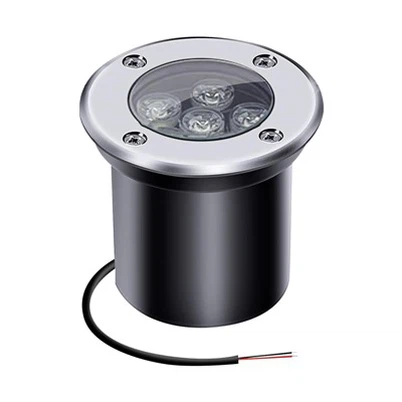
What are the advantages and disadvantages of outdoor camping lights?
Leave a message
Camping lanterns are lighting tools designed for outdoor activities. They play an important role in activities such as camping, hiking, and wilderness exploration. Here are some of the main advantages and disadvantages of camping lanterns:
Advantages
1. Providing illumination:
Nighttime illumination: Provides enough light in dark environments to ensure visibility in the camp, tent, and surrounding areas.
Work and activities: Helps with nighttime activities such as setting up tents, cooking, and other outdoor activities.
2. Portability:
Lightweight: Most camping lanterns are designed to be lightweight and easy to carry and move.
Compact design: Can be folded or stored, taking up little space, suitable for backpacking.
3. Durability:
Waterproof and shockproof: Many camping lanterns are waterproof and shockproof to adapt to harsh outdoor environments.
Durable materials: Usually made of durable materials to withstand the wear and tear of outdoor use.
4. Energy saving:
LED technology: Many camping lanterns use LED technology, which is energy-efficient, consumes less power, and extends battery life.
Rechargeable batteries: Some lamps use rechargeable batteries, reducing the need for disposable batteries.
5. Versatility:
Multiple modes: Many camping lanterns offer different lighting modes, such as strong light, soft light, flashing, etc., to suit different needs.
Extra features: Some lanterns are equipped with extra features, such as power bank, SOS signal, fan, etc.
6. Easy to operate:
Simple control: Most camping lanterns have simple on/off and dimming controls for easy operation.
Disadvantages
1. Battery dependence:
Battery consumption: Batteries need to be replaced or recharged regularly, and if the battery is exhausted, it may affect the use of the lantern.
Charging issues: It may be difficult to find charging facilities in remote areas, especially for rechargeable lanterns.
2. Limited light coverage:
Lighting range: Compared with fixed lighting systems, camping lanterns may have limited lighting range and intensity and cannot provide wide lighting coverage.
3. Weather restrictions:
Extreme weather: Although many camping lanterns are waterproof, performance may be affected in extreme weather conditions, such as storms or extreme low temperatures.
4. Lifespan:
Durability: Although many camping lanterns are designed to be durable, the lifespan of the lantern may be reduced under frequent use or in harsh environments.
5. Weight and size:
Bulky design: Some high-powered camping lanterns may be relatively heavy and inconvenient to carry.
Large size: Some lanterns are large and take up space, which may not be suitable for long-distance hiking.
6. Uneven brightness:
Bright spot problem: Some low-quality lanterns may have uneven bright spots or uneven light distribution, affecting the lighting effect.
All in all, camping lanterns are a very useful tool, especially in outdoor activities. However, when choosing and using them, you need to consider their advantages and disadvantages to ensure that they meet your specific needs and environmental conditions.