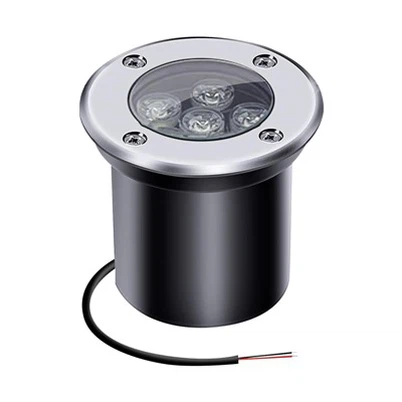
What is the difference between a spotlight and a downlight?
Leave a message
Spotlights and downlights are two common indoor lighting devices, each with different characteristics and application scenarios. Here are their main differences:
1. Beam angle
Spotlight:
Beam angle: Spotlights usually have a narrow beam angle (e.g. 15° to 45°), which can concentrate light and produce a strong focusing effect.
Application: Suitable for accent lighting, such as highlighting artwork, photos, decorations or specific areas. It is also commonly used in commercial displays and accent lighting scenarios.
Downlight:
Beam angle: Downlights generally have a wide beam angle (e.g. 60° to 120°) and can provide a wide range of uniform lighting.
Application: Suitable for providing global, uniform background lighting. Commonly used in the overall lighting of living rooms, kitchens, offices and commercial places in homes.
2. Appearance and installation method
Spotlight:
Appearance: Spotlights are usually smaller, independent lamps that may be more conspicuous or decorative in design.
Installation method: Spotlights can be installed on walls, ceilings, or through track systems, which can flexibly adjust the lighting direction.
Downlight:
Appearance: Downlights usually have a simple round design and are usually embedded in the ceiling, with a low-key and unobtrusive appearance.
Installation method: Downlights are usually embedded in the ceiling, with no external protrusion, leaving only the lighting effect.
3. Function and application
Spotlight:
Function: Provides directional lighting, can focus on specific areas or objects, suitable for display and emphasis.
Application: Commonly used in exhibitions, art galleries, commercial stores, home decoration and other places to highlight specific objects or areas.
Downlight:
Function: Provides wide and uniform light, suitable for use as the main lighting source.
Application: Commonly used for overall lighting of residential and commercial spaces, such as kitchens, offices, corridors and other places, to create uniform ambient light.
4. Adjustment and flexibility
Spotlight:
Adjustment: Spotlights can usually adjust the direction, and some models also have the function of adjusting the beam intensity.
Flexibility: Provides more flexibility, and can adjust the light direction and focus as needed.
Downlight:
Adjustment: Generally does not have an adjustment function, mainly providing uniform light in a fixed direction.
Flexibility: Fixed installation, the direction of light cannot be adjusted, but the light effect can be adjusted by choosing different bulb types or installation positions.
5. Light source type
Spotlight:
Light source: Commonly used LED, halogen lamp, xenon lamp, etc., you can choose different light sources as needed to achieve different lighting effects.
Downlight:
Light source: Mostly LED lamps, providing stable lighting, less use of halogen lamps or other types of light sources.
Summary
Spotlight: Provides concentrated, directional light, suitable for highlighting and emphasizing specific areas or objects. With flexible installation and adjustment options.
Downlight: Provides uniform and wide lighting, suitable as the main background lighting. Usually embedded installation, low-key design.
According to your lighting needs, you can choose the right type of lamp to achieve the best lighting effect.