Why LED Lighting Is Revolutionizing Energy Efficiency In 2025
Leave a message
Why LED Lighting is Revolutionizing Energy Efficiency in 2025
LED lighting has revolutionized energy efficiency in 2025, offering up to 90% energy savings compared to traditional systems. As highlighted in a recent LED light scientific article, these lights consume far less energy than incandescent and fluorescent bulbs, resulting in substantial reductions in electricity costs. Platforms like solarlightmeeting.com showcase solarlightmeeting products that incorporate innovations such as smart lighting integration and advanced LED chip technology, further boosting efficiency and minimizing environmental impact.
Key Takeaways
Using LED lights can cut electricity costs by 90%. This means you save a lot of money over time.
LEDs last way longer than regular bulbs. They can work for up to 50,000 hours, so you don't need to replace them often.
LED lights are better for the environment. They create less trash and fewer carbon emissions, helping the planet stay healthy.
The Economic and Environmental Benefits of LED Lighting

Energy Savings and Cost Efficiency
LED lighting offers remarkable energy savings, making it a cost-effective choice for households and businesses. By switching to LEDs, users can save up to 90% on lighting costs. For example:
Homeowners can save approximately $1,000 over a 10-year period, which translates to about $8.33 per month.
Over 20 years, these savings can reach up to $4,000.
LEDs also consume significantly less power compared to traditional bulbs. A typical LED uses only 8-12 watts, while incandescent bulbs require 60 watts for the same brightness. This efficiency reduces electricity bills and makes LED lighting a smart investment for long-term savings.
Reducing Carbon Footprint with LED Lighting
LED lighting plays a crucial role in reducing greenhouse gas emissions. Its energy efficiency lowers the demand for electricity, which in turn reduces reliance on fossil fuel-burning power plants. LEDs emit only 451 lbs. of CO2 annually, compared to 4,500 lbs. for incandescent bulbs. Additionally:
Their longer lifespan means fewer replacements, reducing waste in landfills.
LEDs are free of toxic chemicals, making them safer for the environment during disposal.
Switching to LEDs on a large scale could significantly cut global carbon emissions, contributing to a greener planet.
Long Lifespan and Minimal Maintenance
LED lighting outlasts traditional systems by a wide margin. While incandescent bulbs last about 1,000 hours, LEDs can operate for up to 50,000 hours. This longevity minimizes the need for frequent replacements, reducing maintenance costs. Large-scale operations, such as warehouses or office buildings, benefit greatly from this feature. Fewer replacements mean less downtime and lower labor expenses, making LEDs an ideal choice for both small and large applications.
Versatility and Technological Integration of LED Lighting
Applications in Homes and Businesses
LED lighting has transformed how homes and businesses illuminate their spaces. In residential settings, LEDs provide versatile solutions for various rooms:
Living rooms benefit from bright, energy-efficient lighting.
Kitchens and bathrooms often use recessed LED lights for focused illumination.
Bedrooms feature dimmable LEDs to create a relaxing ambiance.
Chandeliers, closets, and laundry rooms also utilize LEDs for their efficiency and adaptability.
Businesses leverage LED lighting to reduce energy consumption and operational costs. LEDs consume over 75% less energy than traditional lighting systems. For example, Starbucks saved $4 million annually by switching to LEDs, while Cranfield University reduced energy use by 29.5%. With a lifespan of up to 100,000 hours, LEDs minimize maintenance costs, making them a practical choice for commercial spaces.
Smart Lighting and Automation Features
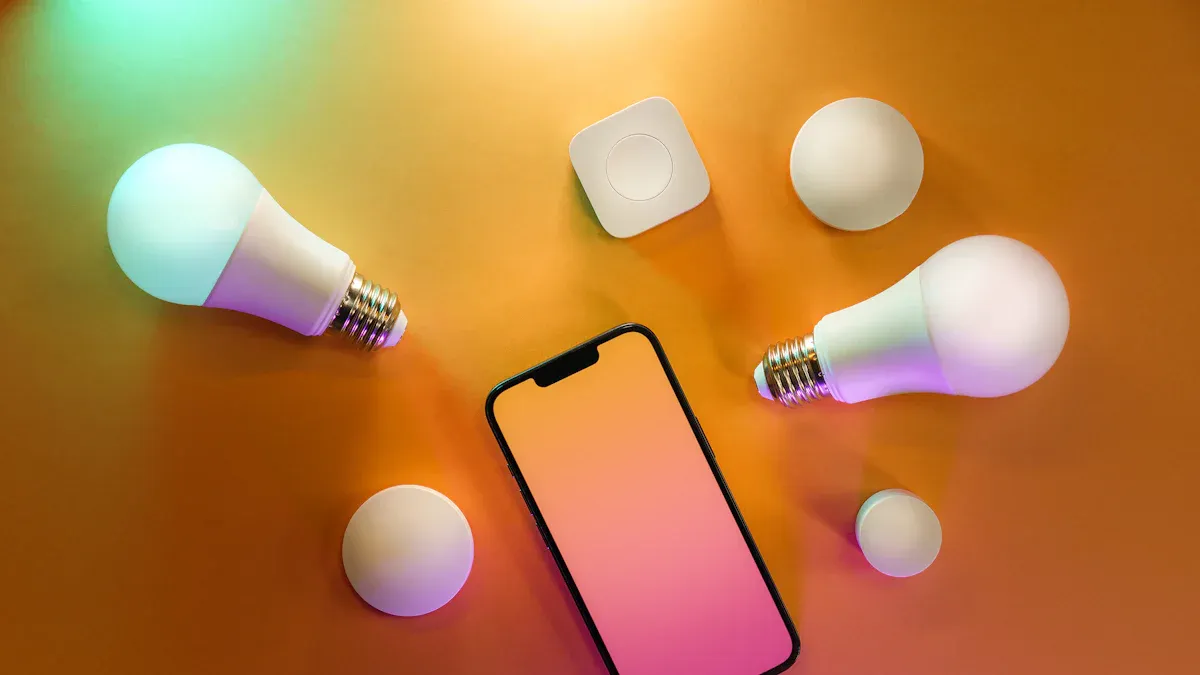
Modern LED lighting systems incorporate advanced smart features that enhance convenience and energy efficiency. Users can control lights remotely through smartphone apps or voice commands using devices like Alexa or Google Home. These systems allow brightness adjustments, color changes, and dimming to suit different moods or occasions. Motion sensors and daylight sensors further optimize energy use by ensuring lights operate only when needed. For instance, daylight sensors dim or turn off lights when natural light is sufficient, reducing electricity costs and environmental impact.
Compatibility with IoT and Modern Devices
Integrating LED lighting with IoT devices has revolutionized home automation. Voice control enables users to adjust lighting with over 90% accuracy. Geofencing technology adjusts lights based on a user's location, enhancing convenience. Smart lighting also improves security by simulating occupancy, deterring potential intruders. Additionally, these systems promote health by supporting circadian rhythms through dynamic light adjustments. With prices dropping by 90% since 2008, LED lighting has become an affordable and essential component of modern smart homes.
Advantages of LED Lighting Over Traditional Systems
Superior Longevity and Performance
LED lighting surpasses traditional systems in both lifespan and performance. While incandescent bulbs last approximately 1,200 hours and CFLs reach 8,000 hours, LEDs operate for an impressive 25,000 hours or more. This longevity reduces the frequency of replacements, saving time and money for users. Additionally, LEDs provide consistent illumination without flickering, ensuring better visibility and minimizing eye strain. Their durability also makes them resistant to damage from vibrations or impacts, unlike fragile incandescent bulbs.
| Bulb Type | Average Lifespan (hours) |
|---|---|
| Incandescent | 1,200 |
| CFL | 8,000 |
| LED | 25,000 |
LEDs also excel in light quality. They offer better color rendering, which is essential for environments requiring accurate color perception, such as art studios or retail spaces. Furthermore, their ability to mimic natural daylight supports circadian rhythms, promoting better sleep and alertness.
Energy Efficiency Compared to Incandescent and CFL Bulbs
LED lighting is a leader in energy efficiency. It uses up to 90% less power than incandescent bulbs and 50% less than CFLs. For example, a 7-watt LED bulb provides the same brightness as a 60-watt incandescent bulb. Over 20 years, this efficiency translates to significant cost savings. The table below highlights the energy consumption and cost differences:
| Bulb Type | Watts Used | Average Lifespan | Total Estimated Cost Over 20 Years |
|---|---|---|---|
| Incandescent | 60W | 1,200 hours | $211 |
| CFL | 14W | 8,000 hours | $54 |
| LED | 7W | 25,000 hours | $34 |
LEDs also reach full brightness instantly, unlike CFLs, which require warm-up time. This feature enhances convenience and usability in various settings.
Eco-Friendly Design and Reduced Waste
LED lighting contributes to environmental sustainability through its eco-friendly design. Unlike CFLs, LEDs do not contain toxic mercury, making them safer for disposal. Their long lifespan reduces waste in landfills by minimizing the number of discarded bulbs. Additionally, many LED manufacturers adopt circular economy practices, ensuring components can be recycled or repurposed. This approach reduces the need for new resource extraction and promotes sustainability.
LEDs also support a "cradle-to-cradle" strategy, where materials are designed for continuous reuse. This innovation keeps waste out of landfills and aligns with global efforts to reduce environmental impact.
Switching to LED lighting on a large scale can significantly lower energy consumption and waste, making it a vital step toward a greener future.
LED lighting leads the energy efficiency revolution in 2025 by combining advanced technology with sustainability. Smart LEDs, equipped with motion sensors, reduce energy waste and cut global electricity consumption for lighting by up to 40%. This innovation supports global sustainability goals by lowering carbon emissions and reducing reliance on fossil fuels.
Cities adopting LED lighting have reported significant environmental benefits, including reduced greenhouse gas emissions and less waste in landfills. These advancements align with the push for sustainable urban development and a greener future.
FAQ
What makes LED lighting more energy-efficient than traditional bulbs?
LEDs convert most energy into light instead of heat. Traditional bulbs waste energy as heat, while LEDs use advanced technology to maximize brightness with minimal power consumption.
Can LED lights help reduce electricity bills?
Yes, LED lights consume up to 90% less energy than incandescent bulbs. This efficiency significantly lowers electricity costs for households and businesses over time.
Are LED lights environmentally friendly?
LEDs are eco-friendly. They contain no toxic materials, last longer, and reduce waste. Their energy efficiency also decreases carbon emissions, supporting global sustainability efforts.